What is tea bag packaging?
Tea bag packaging is designed to keep tea leaves fresh and flavorful. It protects the tea from air and moisture and ensures that it stays fresh for months. Common materials for tea bags include nylon, silk, and paper—each with its own advantages and disadvantages.
13 Types of Tea Bag Materials
Many different materials are used to make tea bags. Here are 13 popular ones:
1. Paper
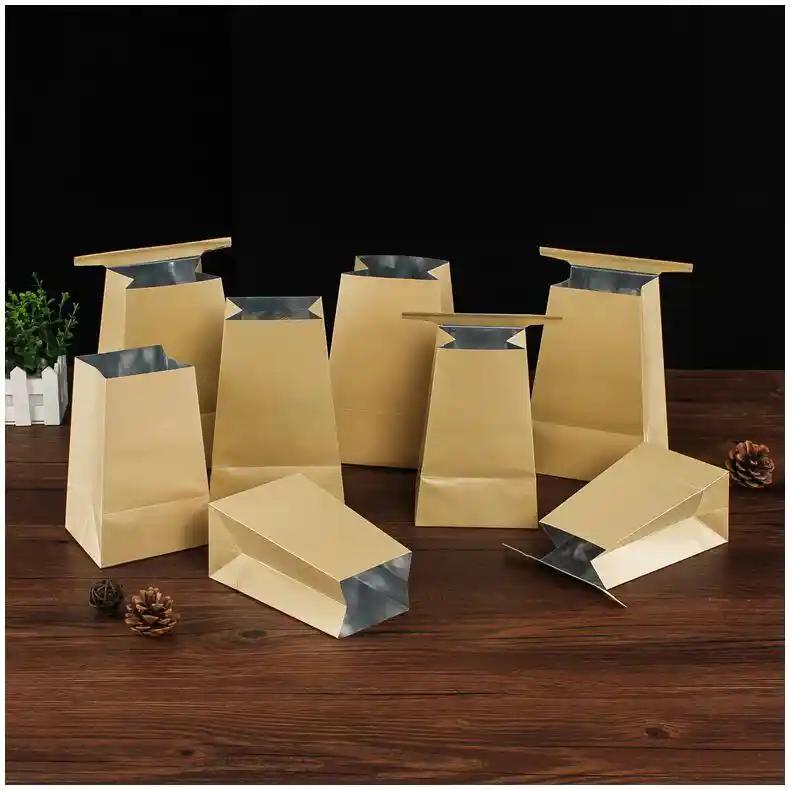
Paper is the most traditional material used for tea bags. It is made from wood or plant fibers and can break down naturally.
Advantages:
- Cheap
- Ensures a consistent tea flavor
- Easy to print on
Disadvantages:
- Tears easily
- Not good for loose-leaf tea
2. Silk
Silk tea bags look elegant and allow water to pass through easily, which makes the tea taste better. They are used for high-quality teas, but they aren't good for the environment and are more expensive.
Advantages:
- Flexible and strong
- Available in various forms
Disadvantages:
- Expensive
- Not environmentally friendly
3. Nylon
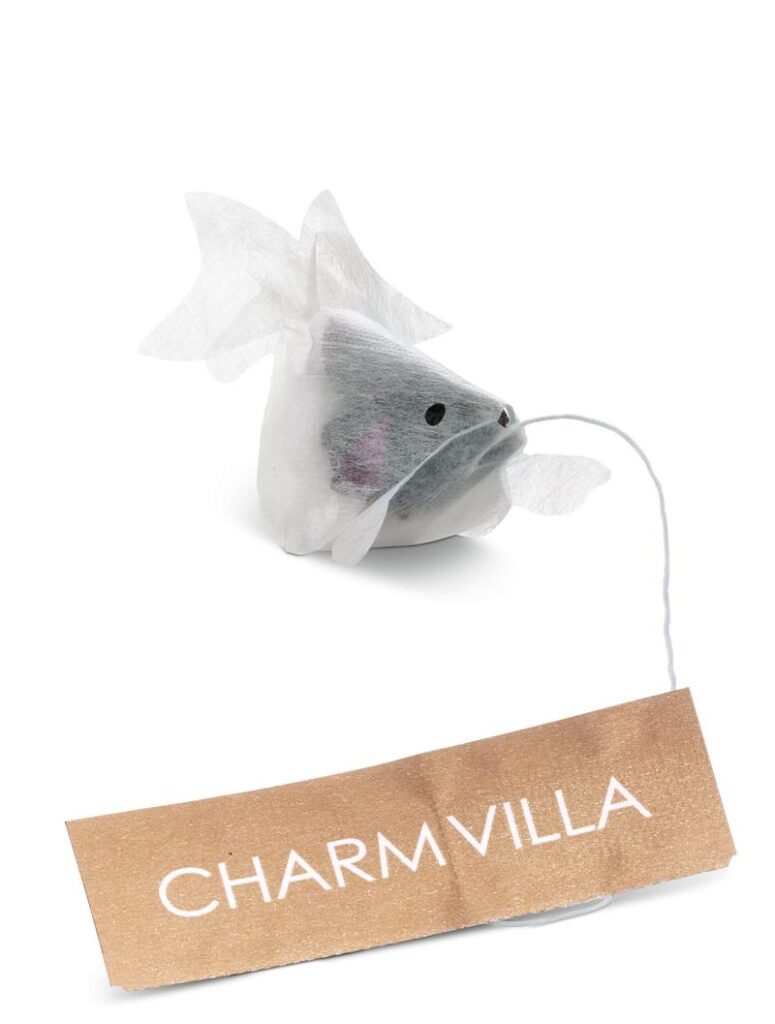
Nylon is a durable and heat-resistant material that is often used for green tea bags. It keeps the tea fresh, but it can alter the tea's flavor.
Advantages:
- Strong and doesn't tear easily
- Prevents the tea from getting too hot
Disadvantages:
- Not compostable
4. Floor
Soilon is an eco-friendly material made from cornstarch. It breaks down naturally and is as strong and transparent as nylon, without harming the environment.
Advantages:
- Compostable
- Heat-resistant
- Environmentally friendly
Disadvantages:
- Expensive
- Requires careful storage
5. Nonwoven Fabrics
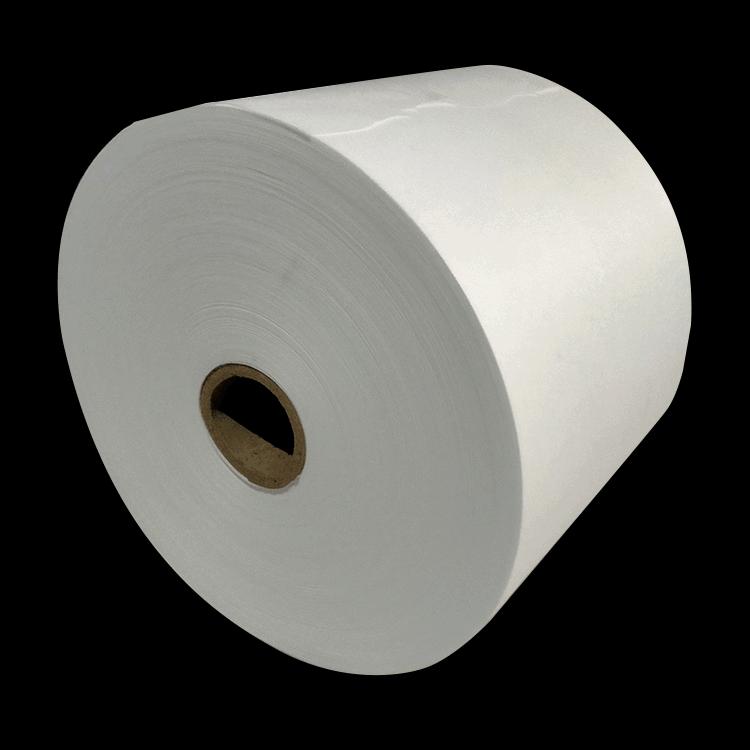
Nonwoven fabrics are made by bonding fibers with chemicals and heat. They keep tea fresh by blocking moisture and allowing air to pass through without releasing any harmful substances.
Advantages:
- Strong
- Non-toxic
- Flexible
Disadvantages:
- Not very environmentally friendly
6. Cotton
Cotton tea bags are natural and decompose easily. They are safe and can be reused, but they are more expensive and not as durable.
Advantages:
- Safe and reusable
- Natural material
Disadvantages:
- High price
- Not very durable
7. Muslin
Muslin tea bags are made of loosely woven cotton, making them breathable and reusable. They are ideal for loose-leaf tea, but they are hard to find and expensive.
Advantages:
- Good for loose-leaf tea
- Best for the taste
- Natural material
Disadvantages:
- Hard to find
- Expensive
8. Polypropylene
Polypropylene is a plastic used to seal tea bags that retains its shape in hot water. However, tiny plastic particles can leach into the tea, which is harmful to health.
Advantages:
- Cheap
- Easy to seal
Disadvantages:
- Health Risks Posed by Plastic Particles
9. Hemp
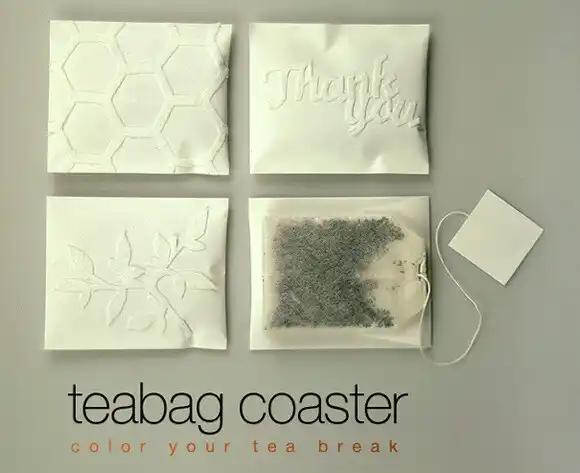
Hemp is a natural, chemical-free fiber. It is reusable, mold-resistant, and UV-resistant, making it an environmentally friendly choice.
Advantages:
- Environmentally friendly
- Permanent
Disadvantages:
- Expensive
- Limited heat resistance
10. PLA (polylactic acid)
PLA is made from cornstarch and is safe and compostable. It is often used for eco-friendly tea bags and is available in shapes such as pyramids and rectangles.
Advantages:
- Keeps moisture out
- Sturdy and durable
Disadvantages:
- Short shelf life
11. Aluminum
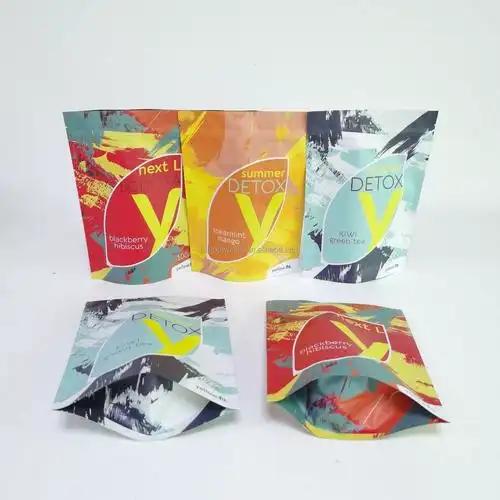
Aluminum is not typically used for tea bags, but is used in tea packaging as a foil or layer to block oxygen and keep the tea fresh.
Advantages:
- Lightweight and durable
Disadvantages:
- Not transparent
12. Tinplate
Tinplate is steel coated with tin. It provides strong protection, keeps tea fresh for a long time, and is environmentally friendly.
Advantages:
- Excellent protection
- Reusable
- It looks great
Disadvantages:
- Limited customization
13. Bamboo fiber
Bamboo fibers are a natural material derived from bamboo plants. They are durable, biodegradable, and have a natural look that appeals to environmentally conscious consumers.
Advantages:
- Environmentally friendly and biodegradable
- Sturdy and durable
- A natural and attractive appearance
Disadvantages:
- May be more expensive
- Limited availability
Comparison Table for Tea Packaging Materials
| Material | Heat-sealable | Effects on Taste | Biodegradable |
|---|---|---|---|
| Paper | Yes | Minimal | Yes |
| Silk | NO | Minimal | Yes |
| Nylon | Yes | Possible leaching | NO |
| Soilon | Yes | Minimal | Yes |
| PLA | Yes | Minimal | Yes |
| nonwoven fabric | Yes | Minimal | Varies |
| Aluminum | Yes | Possible metallic taste | NO |
| Tinplate | Yes | Possible metallic taste | NO |
| Bamboo fiber | Yes | Minimal | Yes |
How to Choose the Best Tea Packaging Materials
When choosing packaging material for your tea, keep the following in mind to find the best option for your tea:
1. Type of tea
Different types of tea require different types of packaging. Green tea needs airtight packaging to stay fresh, while loose-leaf tea can be packaged well in breathable materials.
2. Protection from light
Light can cause tea to lose its flavor and aroma. Use materials such as tin cans, aluminum foil, or dark packaging to keep light out.
3. Moisture Barriers
Choose materials that keep moisture out so the tea stays fresh. Glass jars, aluminum foil, or special plastics with airtight lids are good choices.
4. Preserving Flavor
The aroma of the tea is very important. Use airtight packaging, such as plastic wrap or multi-layer bags, to preserve the tea's aroma.
5. Shelf Life
Use materials such as laminated aluminum foil, tin cans, or vacuum-sealed bags to prevent the tea from aging and keep it fresh longer.
6. Brand Image
Make your packaging eye-catching with attractive designs and colors that match your brand. This will help your tea stand out on the shelf.
How to Store Tea to Keep It Fresh
Keep your tea fresh by following these storage tips:
- Stay cool: Store the tea in a cool, stable place at a temperature below 25 °C (77 °F), away from sunlight and heat.
- Avoid light: Use opaque containers and store the tea in a dark place to protect it from UV rays.
- Keep away from strong odors: Tea can easily absorb odors. Therefore, do not store it near strong-smelling foods or trash cans.
- Airtight containers: Use airtight containers to keep out air and moisture and preserve the tea's freshness.
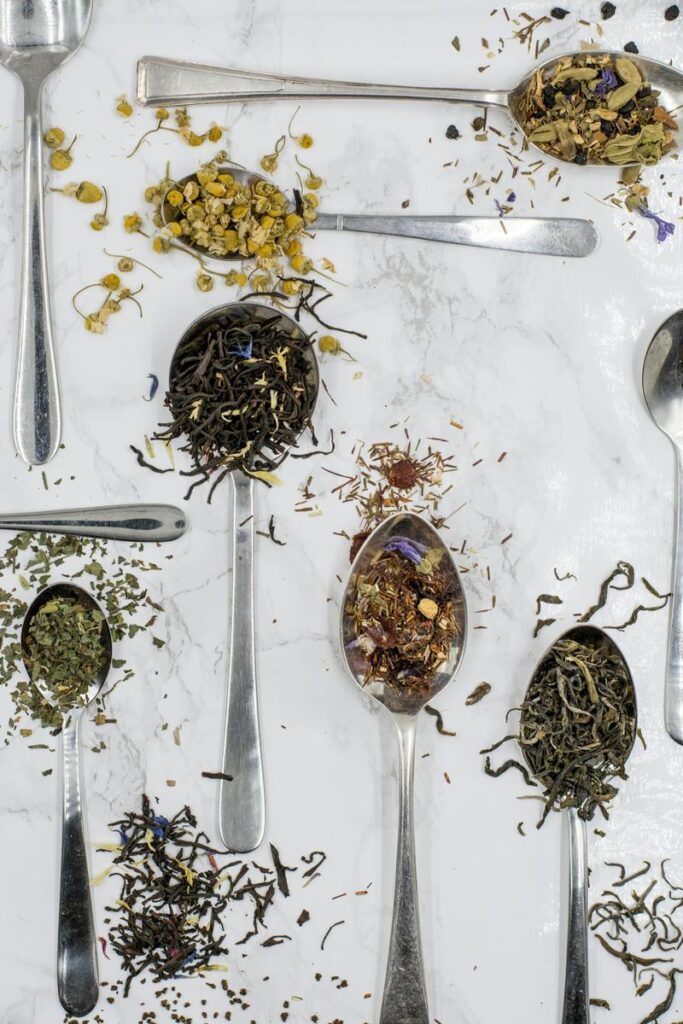
How to Package Tea for Sale and Its Importance in Marketing
Good tea packaging helps with the sale and marketing of your tea. Here's how to improve your packaging:
1. User-friendly design
Make sure your packaging is easy to open and use. Options such as stand-up pouches, zipper closures, and resealable packaging make it convenient for the user.
2. Portability
Choose packaging that's easy to carry—perfect for customers who are always on the go.
3. Creative Packaging
Make your packaging unique with special designs and shapes to attract customers' attention and stand out from the competition.
4. Clear Information
Provide clear details about the tea—such as its ingredients and preparation instructions—so customers can easily decide to make a purchase.
5. Eco-Friendly Trends
Keep up with eco-friendly trends by using sustainable packaging materials that enhance your brand's image and attract environmentally conscious customers.
6. Protection
Make sure the packaging protects the tea during storage and transport, thereby ensuring its safety and high quality.
Graduation
Choosing the right tea bag packaging materials is very important for keeping your tea fresh and flavorful. Consider how well the material protects the tea, whether it’s environmentally friendly, and whether you can customize it. For professional tea packaging solutions, contact Honorary Package.
FAQs
1. What is the most environmentally friendly material for tea bags?
The best eco-friendly materials are plant-based materials such as Soilon, PLA, hemp, and bamboo fibers. These materials are compostable and are made from renewable raw materials such as cornstarch, making them a good alternative to plastic.
2. Are there any side effects associated with the materials used in the tea bags?
Some materials, such as nylon, polyester, and certain plastics, can release harmful chemicals when heated. These can be harmful to your health. It’s best to choose safe materials like cotton and paper.
3. Can the material of the tea bag affect the taste of the tea?
Yes, some materials can alter the taste of the tea. For example, nylon tea bags can impart a slight taste or odor. High-quality tea bags made of unbleached paper or silk help preserve the tea's natural aroma.
4. How do you package tea bags?
Wrap tea bags in moisture-resistant materials such as aluminum foil or special plastic. Place each tea bag in boxes or bags labeled with the „flavor“ and brewing instructions, and seal them tightly to keep the tea fresh and flavorful.
5. What is a bag-in-box tea package?
In bag-in-box packaging, a soft pouch is placed inside a hard box. This method is popular for tea because it is durable, easy to handle, and keeps the tea fresh.
Specialists in Packaging Machinen
Are you looking for the perfect tea packaging solution?LTC Package offers professional packaging services tailored to your needs. Contact us today to find the best packaging materials and machines for your business!


 English
  German