Introduction
In today’s competitive food industry, snack packaging plays a critical role in attracting customers and preserving product quality. From chips to granola bars, the right packaging can make or break your snack food’s appeal on the shelves. If you’re a snack manufacturer or business owner, you need to understand the best snack food packaging solutions that meet consumer demands, ensure product safety, and boost your brand’s success.
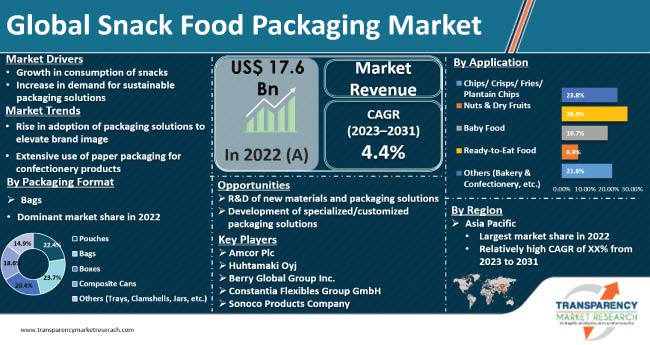
Why is snack packaging so important?
Snack packaging is more than just a container for your product; it is a powerful marketing tool, a safety measure, and a sustainability solution all at once. Effective packaging:
- Preserves freshness and flavor – Snacks must be protected from moisture, light, and air.
- Attracts consumers – Eye-catching designs and creative packaging can attract attention in a highly competitive market.
- Promotes sustainability – Eco-friendly packaging options are well-received by today's environmentally conscious consumers.
- Ensures product safety – Tamper-resistant and secure seals preserve the product's integrity.
Let's take a closer look at some common packaging solutions for snacks and answer frequently asked questions so you can make informed decisions.
Frequently Asked Questions (FAQs) About Packaging Solutions for Snacks
1. What materials are best suited for packaging snacks?
When it comes to packaging snacks, the materials used are crucial for freshness and product safety. Common packaging materials include:
- Flexible Films: These are ideal for chips, nuts, and other dry snacks. The material is lightweight, moisture-resistant, and easy to reseal.
- Cardboard boxes: Ideal for cookies, granola bars, and other snacks that need to be protected from getting crushed.
- Plastic container: Useful for snack mixes or products that require resealable packaging.
- Aluminum foil bag: Often used for chips or nuts, it provides excellent protection against oxygen and moisture.
By choosing the right material, you can ensure that your snacks remain fresh, appealing, and safe for consumers.
2. How does sustainable packaging affect snack sales?
Sustainability is more than just a trend; it is a growing consumer demand. According to a study by Nielsen, 73%: The Consumer are willing to pay more for sustainable packaging. For snack food brands, offering eco-friendly options such as recyclable, biodegradable, or compostable materials can significantly increase brand loyalty and sales.
Packaging options such as paper bags or plant-based plastics are becoming increasingly popular among environmentally conscious shoppers. By using sustainable solutions, your brand can reduce its environmental footprint while appealing to a broader market.
3. What are the latest trends in snack packaging design?
In the world of snack packaging, design trends are constantly evolving to meet changing consumer preferences. Among the most important trends are:
- Minimalist Designs: Clean and simple packaging that highlights the product's natural qualities.
- Transparent packaging: Consumers want to see what they're buying. Transparent packaging can showcase the product and thus build trust.
- Vibrant and bright colors: Bold colors and unique typography help brands stand out on crowded shelves.
- Personalization: Customizable packaging designs tailored to individual consumers or specific market segments.
4. How can I make my snack packaging more functional?
Functionality is crucial for snack packaging, as consumers value convenience. The most important features include:
- Resealable packaging: When consumers can open and close the packaging themselves, the freshness is preserved and the snacks are easy to carry.
- Single-Serving Options: As our lives become increasingly hectic, single-serving packages are growing in popularity as snacks for on the go.
- Easy-to-open designs: Packaging that requires neither scissors nor much effort is a major plus for consumers.
By adding functional elements to your packaging, you can enhance the customer experience and encourage repeat purchases.
5. How does packaging influence consumers' purchasing decisions?
Packaging is a key factor in the purchase of snacks. Study by Packaging Digest found that 64%: The Consumer Do you try a new product because of its packaging? Eye-catching, well-designed packaging can attract new customers, while informative packaging builds trust and brand loyalty.
Here are some important elements you should include in your packaging:
- Clear Labeling: Make sure your nutritional information, ingredients, and any certifications (e.g., organic, GMO-free) are easy to find.
- Brand Identity: Consistent brand colors, logos, and messages can increase the recognition and memorability of your products.
With eye-catching packaging and a functional, informative design, your snack products will stand out from the competition.
The 5 Best Packaging Solutions for Snacks
Here are the best packaging solutions for snacks that you should consider for your brand:
Stand-up pouches
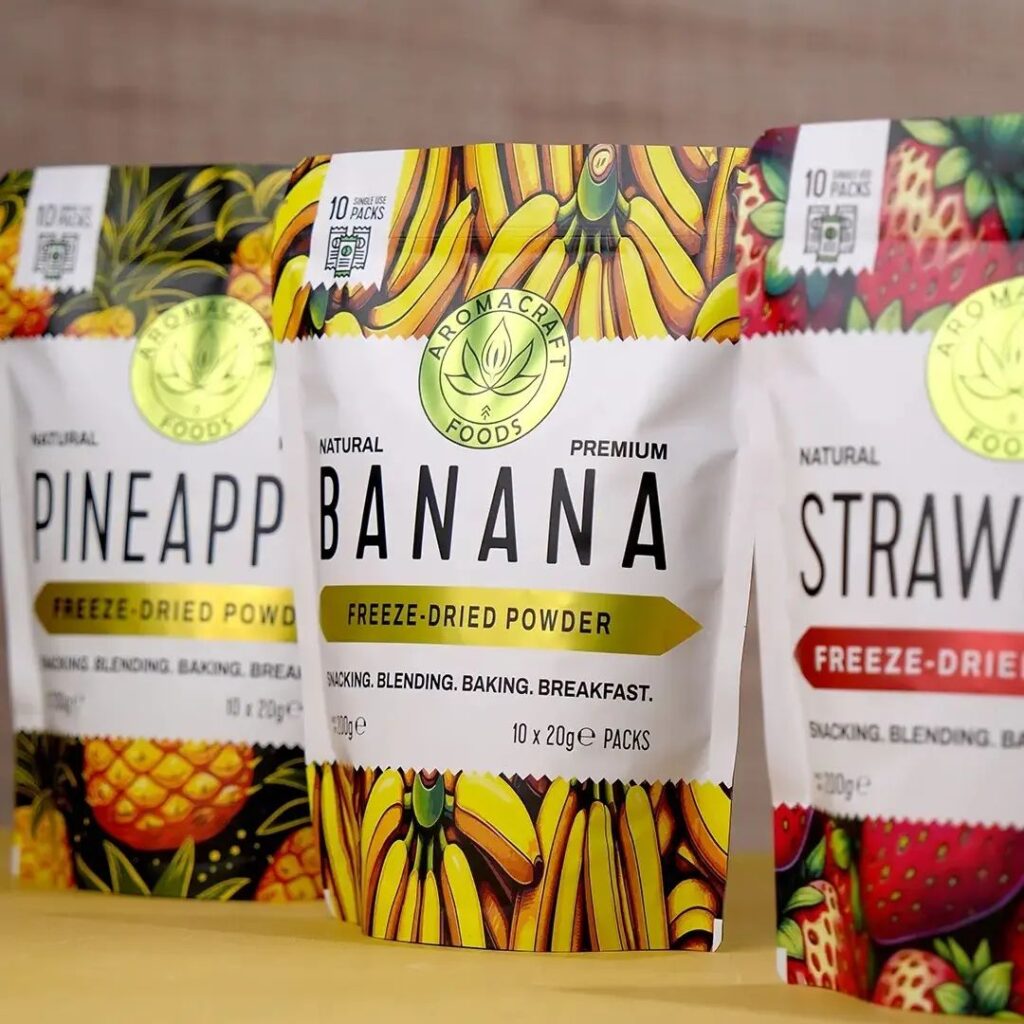
One of the most versatile and popular options for various snacks. They're lightweight, durable, and feature resealable zippers.
Tubular pouch packaging
This method is ideal for individually wrapped snack bars and cookies and ensures an airtight seal that preserves freshness.
Vacuum-sealing
Ideal for storing snacks such as nuts and dried fruit. This method removes air, thereby extending the shelf life.
Snack Tubes
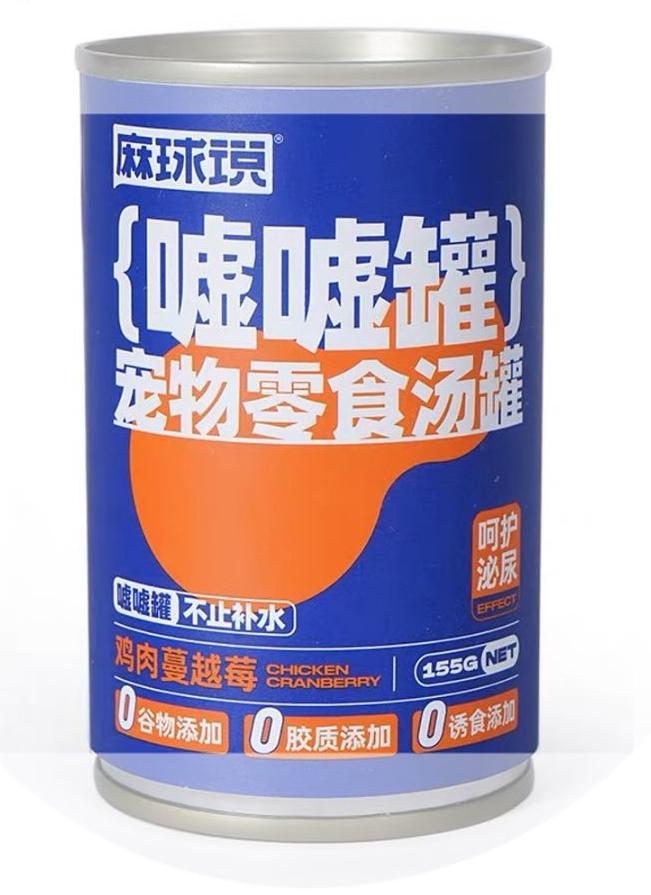
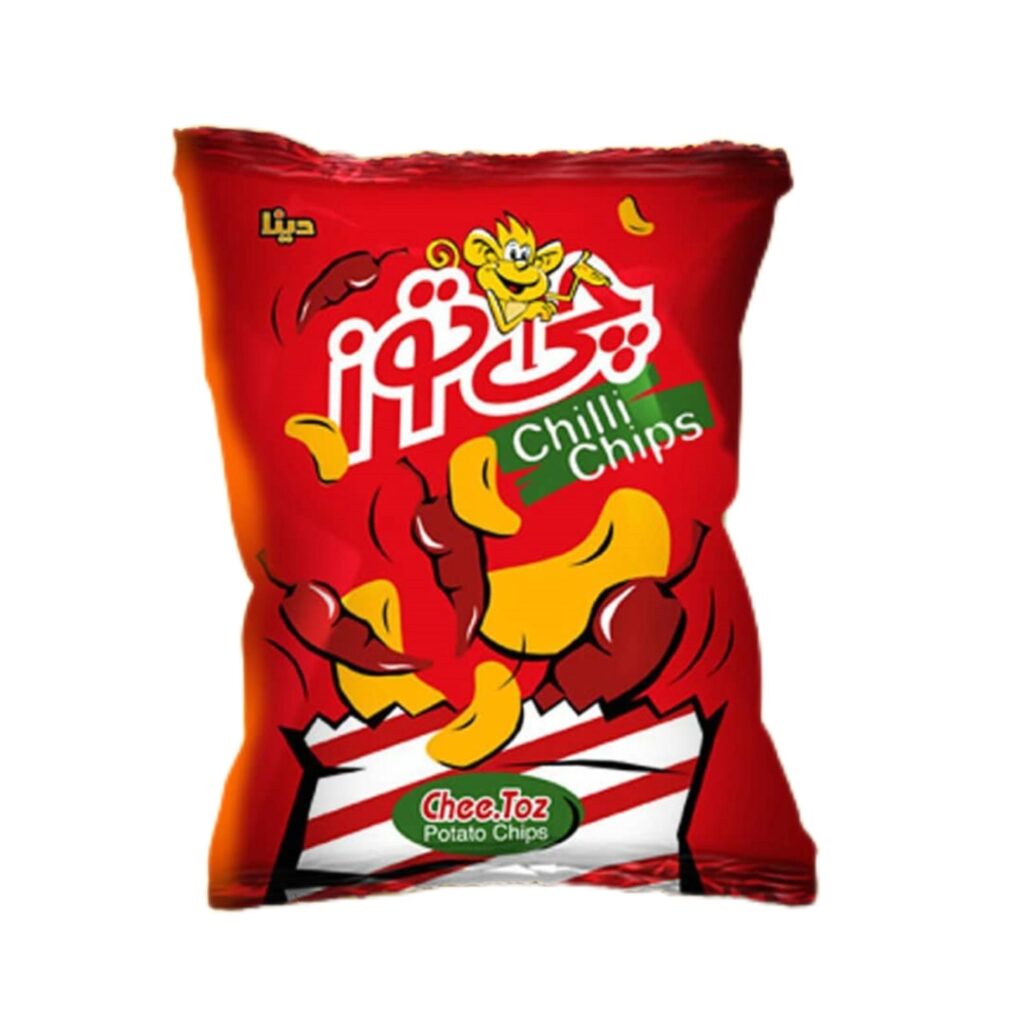
A unique cylindrical packaging solution for products such as potato chips, cookies, or candy. It offers high visual appeal and durability.
Foil-sealed bags
Perfect for keeping chips and crackers fresh, with a barrier against air and moisture.
Trends in Packaging Solutions for Snacks
The snack packaging industry is evolving rapidly, driven by consumer preferences for convenience, sustainability, and health-conscious options. Here are the key trends and solutions shaping this sector:
1. Sustainable Packaging Options
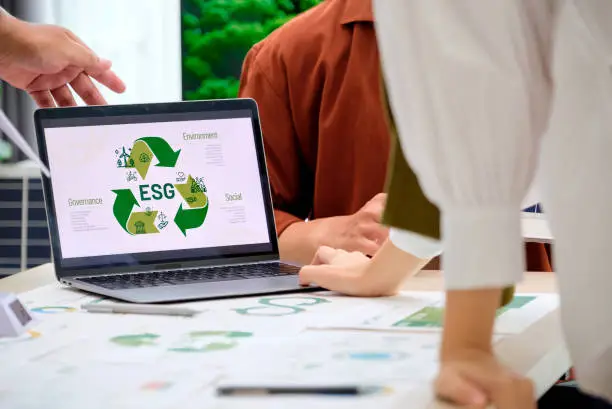
Sustainability is a top priority in innovations related to snack packaging. Companies are increasingly turning to eco-friendly materials to reduce their environmental impact. Among the most important developments are:
- Bioplastics: These materials are made from renewable raw materials such as cornstarch or sugarcane; they are compostable and decompose more easily than conventional plastics.
- Recyclable and compostable materialsMany brands are switching to recyclable or compostable packaging, such as cardboard and biodegradable films. Frito-Lay, for example, has significantly reduced the amount of plastic used in its packaging by using recyclable materials.
- Innovative DesignsNew packaging solutions such as Bio-Pouches and Earth-Paks offer sustainable alternatives that are both functional and environmentally friendly. These options not only appeal to environmentally conscious consumers, but also help brands reduce their carbon footprint[5][6].
2. Comfort and Portability
As snacks are being eaten more and more frequently, the demand for convenient packaging is on the rise. The most important features include:
- Single-serving packages: This format is tailored to a mobile lifestyle and makes it easier for consumers to enjoy snacks without having to share them or portion them out.
- Smart Packaging: Integrating technology into packaging can enhance the user experience. Smart labels with QR codes provide consumers with product information and interactive content, while sensors monitor freshness and shelf life.
3. Minimalist Design
Minimalist design trends emphasize simplicity and transparency in packaging. This approach resonates with consumers who prefer clear labeling that highlights ingredients and nutritional information. Clean, straightforward designs can boost brand trust and appeal.
4. Health-Conscious Features
As health and wellness take center stage, snack packaging is increasingly designed to highlight nutritional value. Packaging that clearly communicates health-conscious features—such as low sugar or high protein content—can appeal to health-conscious consumers.
5. Advanced Preservation Techniques
To preserve the freshness of products without excessive use of preservatives, manufacturers rely on modified-atmosphere packaging (MAP) and other preservation technologies. These methods extend shelf life while meeting consumers' demand for healthier alternatives.
In summary, the snack packaging industry is adapting to changing consumer needs—through sustainable practices, innovative designs, and a focus on convenience and health. Brands that embrace these trends are likely to succeed in a highly competitive market.
Graduation
Snack packaging is a key factor in your product’s success and influences everything from the product’s freshness to customers’ purchasing decisions. By choosing the right materials, designs, and functional features, you can ensure that your snacks remain appealing, safe, and sustainable. Furthermore, it enables your brand to keep pace with trends such as minimalist design and sustainable packaging and to succeed in an evolving market.
The LawPackaging Solution for SnacksNot only does it protect your product, but it also engages consumers, increases brand awareness, and contributes to your bottom line.


 English
  German