Have you ever wondered what journey your tea takes before it ends up in your cup? It's a fascinating story, withTea Packaging play a significant role. This article examines the history ofTea Packaging, ranging from simple methods toRecyclable Options we see today. It shows how our love of tea has driven innovation and raised our awareness ofSustainability.
How did people transport their precious tea packages back then?
Before the advent of specializedTea PackagingPeople used simple and practical methods to transport tea. Early methods included bundling large tea leaves with natural fibers such as plant twine or pressing them into bricks or cakes for easier transport. These tea bricks were valuable and were sometimes used as currency in certain regions. For longer journeys, tea was placed in woven baskets or bags made of animal hides to protect it from moisture and the elements. These ingenious methods underscore the important role of tea, even without elaborate packaging.
When did the idea of selling tea in packages really take off?
The transition from simply transporting tea toTea Packaging "For Sale" marked a pivotal moment in the history of tea. As tea became more widely available and trade routes expanded, the emergence of tea houses and shops created a demand for standardized and presentable packaging. Early commercialTea Packaging The products included simple paper bags and containers that allowed retailers to weigh and package the tea for retail sale. The rise of tea culture, particularly in Europe and Great Britain, led to a demand for more elaborate packaging to attract customers and reflect the quality of the tea. This laid the foundation for today’s sophisticated tea culture.Tea Packaging Industry.
What were some of the earliest and most beautiful tea packaging designs?
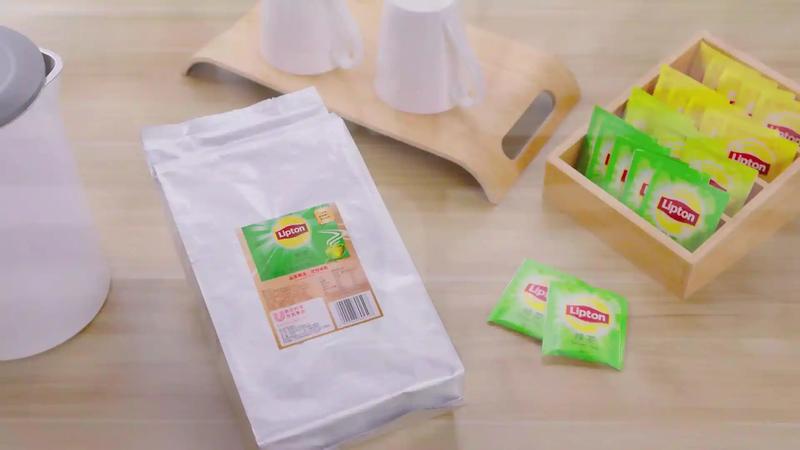
As competition among tea merchants intensified,Tea Packaging Designs became increasingly important. Early decorative packaging often consisted of beautifully crafted wooden boxes inlaid with mother-of-pearl or other precious materials, turning them into works of art. Ceramic tins featuring elaborate paintings of Chinese landscapes or floral motifs were also popular; they were intended for reuse and reflected a different approach to consumption. With advances in printing, colorful paper labels featuring elegant typography and merchant names became commonplace, thus laying the groundwork for the first brand-building efforts. These artistic designs not only protected the tea but also communicated its origin and quality, making them highly sought-after collector’s items today.
How has the invention of tea bag packaging changed the way we enjoy tea?
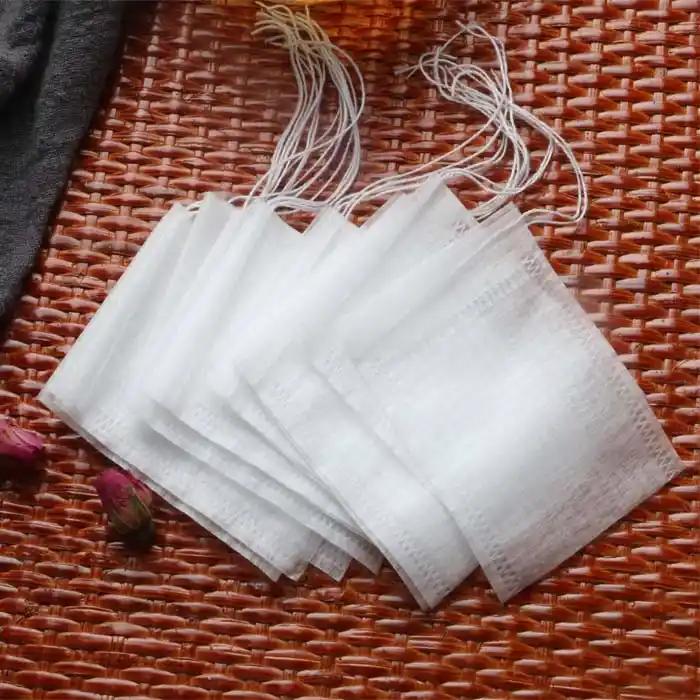
The invention ofTea Bag Packaging revolutionized tea consumption. Before tea bags existed, people had to measure out loose leaves and use tea strainers or tea sieves. The tea bag concept, whether by accident or design, introduced a convenient way to brew tea by simply steeping a pre-packaged bag. Early tea bags were sewn by hand from silk or muslin, but the development of heat-sealable paper enabled mass production and made tea more accessible and convenient. This innovation boosted tea’s appeal and cemented its place in modern life by simplifying the brewing process and ensuring consistent quality.
What role did materials such as tin play in the history of tea packaging?
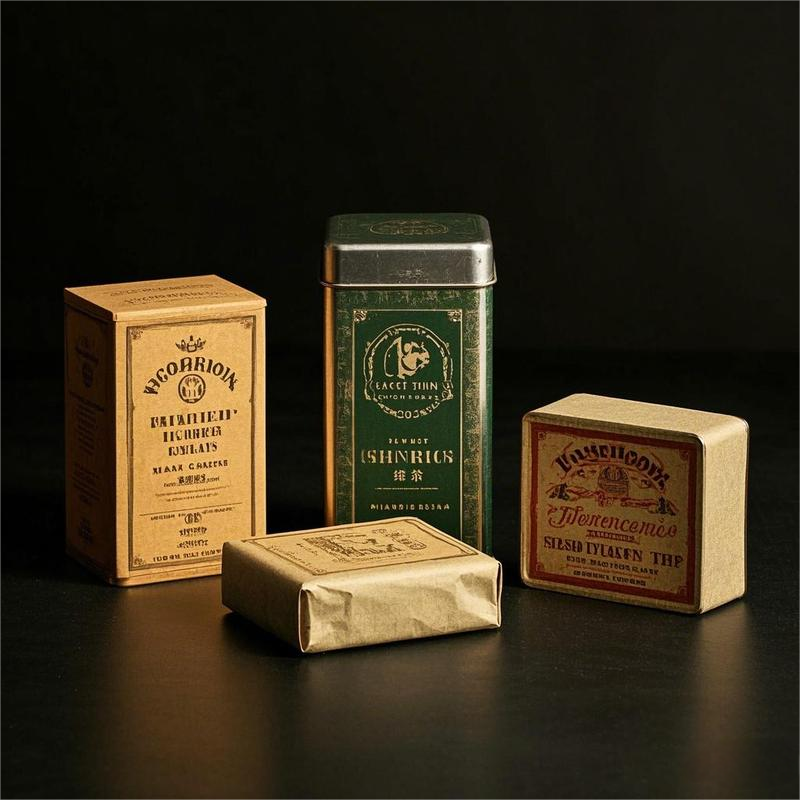
Tin became an important material inTea Packaging in the 19th and 20th centuries. Tinplate—steel coated with tin—offered durability, light weight, and an excellent barrier against moisture, light, and air, which was essential for preserving the tea’s flavors and aromas. Vintage tin tea cans are prized for their durability and decorative appeal, often featuring elaborate designs and trademarks. Tin allowed for custom shapes and sizes, which enhanced their aesthetic appeal and collectible value.Tea PackagingEven today, tin remains a classic choice for premium productsTea Packaging, a symbol of quality and tradition.
Since when has sustainability been an important consideration in tea packaging?
While natural and biodegradable materials were used for the first tea packages,Sustainability InTea Packaging has gained importance in recent years. In the 20th century, the focus was on comfort and cost-efficiency, which often led to the use of plastics and non-recyclable laminates. However, growing environmental awareness has prompted the industry to shift toward eco-friendly options. Innovations include biodegradable tea bags made from plant-based materials, recyclable cardboard packaging, and compostable films. This shift towardSustainability reflects the tea industry's commitment to reducing its environmental footprint and aligning itself with consumers' values.
How has packaging evolved for different types of tea, such as black tea and green tea?
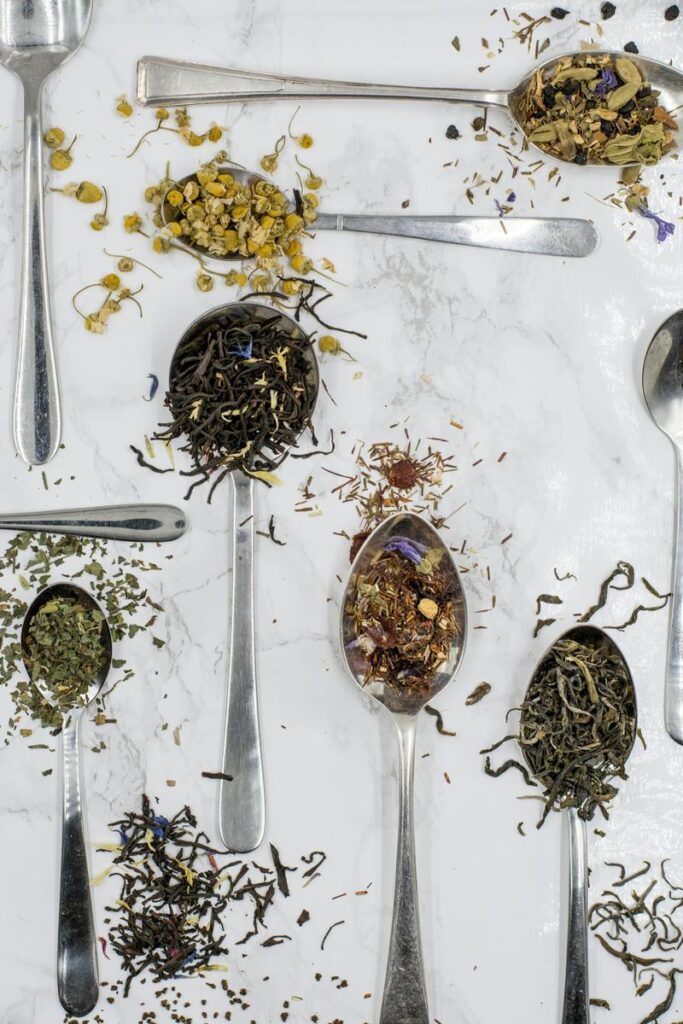
Packaging for various types of tea, such asRed Tea (rooibos) andGreen Tea, has evolved to meet their specific needs.Green Tea, known for its delicate flavor and susceptibility to oxidation, is often packaged in airtight containers such as vacuum-sealed bags or cans to preserve its freshness. Traditional JapaneseGreen Tea Packaging emphasizes minimalist design and natural materials such as paper or bamboo.Red TeaThe tea is naturally caffeine-free and comes from South Africa. Its packaging highlights its natural and herbal qualities and often features images that reflect its origin. These customized packaging approaches ensure that the unique characteristics and appeal of each tea variety are preserved.
What about special packaging for delicate teas, such as floral tea packaging?
Fine teas, especiallyFlower Tea Packaging, require special packaging to preserve their beauty and integrity. These teas, which often contain hand-sewn tea leaves and edible flowers, are packaged in clear containers such as glass jars or transparent plastic boxes. This allows the elaborate floral arrangements to be displayed while also protecting them from damage during transport. Sometimes, individual tea blossoms are placed in separate compartments within a larger box to prevent them from being crushed. This special packaging not only ensures the tea’s preservation but also enhances its visual appeal and reflects the artisanal and high-quality nature of these delicate teas.
What are some of the most innovative and recyclable tea packaging solutions available today?
The push forSustainability has led to innovative andRecyclable Tea Packaging solutions. The industry is moving away from traditional plastic-lined tea bags toward biodegradable options made from materials such as cornstarch, cellulose, or sugarcane fibers, which can be composted at home or industrially. Cardboard packaging, often made from recycled materials and designed for easy recycling, is becoming more common. Companies are also exploring packaging designs that minimize material use and innovative shapes that reduce waste. Additionally, eco-friendly inks and adhesives are being adopted to further reduce the ecological impact, demonstrating the tea industry’s commitment to sustainable practices.
What does the future hold for the world of tea packaging?
The Future ofTea Packaging is poised for further innovations driven by environmental concerns and consumer preferences. We can develop more sophisticatedRecyclable and compostable materials, such as tea bags that dissolve completely in hot water and leave no waste behind. Smart packaging features, such as freshness indicators or interactive elements that provide information about the tea’s origin and brewing instructions, are expected to emerge. The trend toward minimalist packaging, which focuses on functionality and reduced material use, will continue. Overall, the future ofTea Packaging will harmonize sustainability, convenience, and a lasting appreciation for the tea ritual.





 English
  German