Choosing the right packaging materials directly impacts your profits, brand reputation, and environmental footprint. This comprehensive guide reveals how to balance material properties with automated packaging systems—backed by 12 years of hands-on experience optimizing packaging lines for more than 37 industries. Discover how material choices can slash waste by 40% while boosting production speeds.

What are the different types of packaging materials?
Packaging materials are categorized based on their composition and intended use. The most important types include:
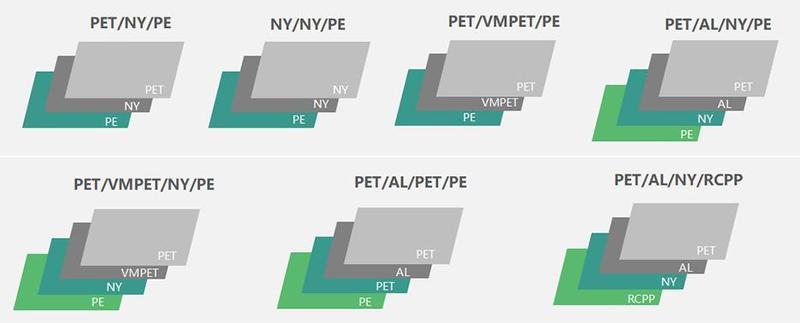
- Paper and Cardboard: Because they are recyclable and biodegradable, they are widely used and are suitable for crates, cardboard boxes, and protective packaging.
- Plastics: Versatile and cost-effective plastics such as polyethylene (PE), polypropylene (PP), and polyethylene terephthalate (PET) are commonly used in bottles, bags, and films.
- Glass: Glass is nonreactive and impermeable, making it ideal for beverages and pharmaceuticals; however, it is heavier and more fragile.
- Metals: Aluminum and tinplate are used for cans and containers, ensuring durability and recyclability.
- Biodegradable materials: Materials such as polylactic acid (PLA) and polyhydroxyalkanoates (PHA) are derived from renewable raw materials and are compostable.
Every material has its own advantages and disadvantages. Therefore, it is important to base the choice of material on the product requirements and sustainability goals.
Why does your automatic packaging machine determine the choice of materials?
Modern Vertical Form, Fill, and Seal (VFFS) Machines and flow wrappers require specific material properties to maintain an uptime of 99.9%:
Critical Compatibility Factors
| Machine Type | Preferred Materials | High-Risk Materials |
|---|---|---|
| Servo-driven VFFS | PET/PE laminates, OPP films | Thick paper (>120 gsm) |
| Pneumatic Pouch-Filling Machines | Coated papers, metallized films | Uncoated kraft paper |
| Thermoformer | APET/CPET, PVC sheets | PLA Bioplastics |
A packaging engineer’s rule of thumb: “The machine manual defines the range of materials you can use.”
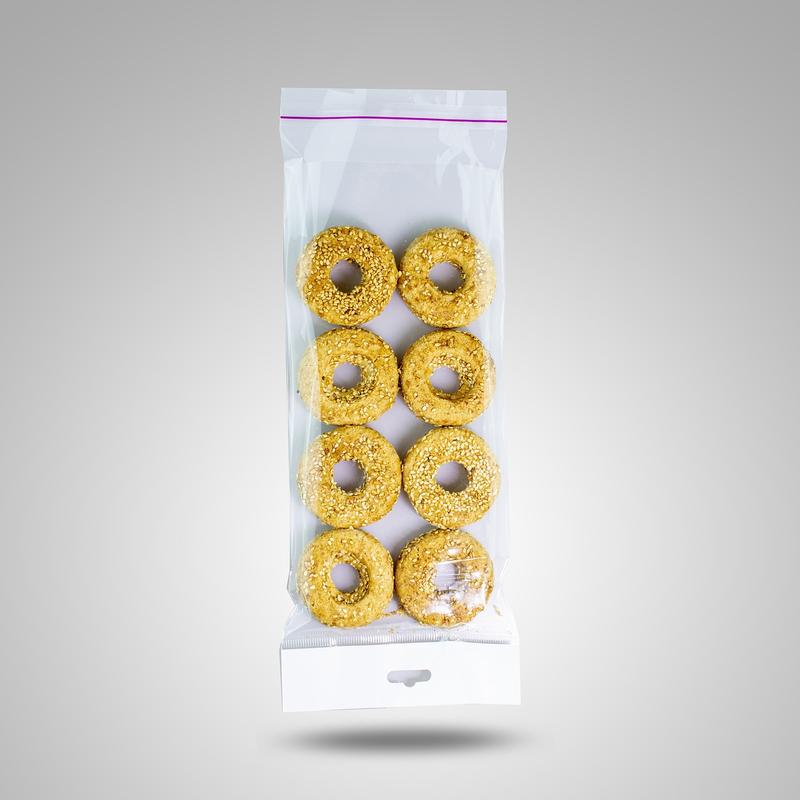
Example: A snack manufacturer that used compostable PLA films struggled with 23% machine jams until it switched to PET/PLA blends with better tensile strength. The lesson? Sustainability must be balanced with technical realities.
Paper vs. Plastic vs. Biocomposites: Which One Is Really the Winner When It Comes to Sustainability?
The debate on sustainability requires a life-cycle analysis, not just superficial assumptions:
Comparison of Carbon Footprints (per 1,000 units)
| Material | Production CO2 | Energy Recycling | Decomposition |
|---|---|---|---|
| Pure LDPE | 8.2 kg | 1.4 kW | 450+ years |
| Recycled PET | 3.1 kg | 0.9 kW | Infinite Reuse |
| Kraft paper | 5.7 kg | 2.3 kW | 12 weeks |
| Mushroom Packaging | 1.8 kg | N/A | 3 weeks |
Source:EPA Analysis of Packaging Waste 2023
New solution:Hybrid Materials Paper/PLA laminates offer machine-friendly stiffness combined with 94% biodegradability. Tested tear strength: 23 N compared to 17 N for pure paper.
Which 5 material properties affect the performance of automated machines?
- Tensile Strength
- At least 35 MPa for high-speed form-fill-seal machines
- Affects the accuracy of film tracking
- Coefficient of Friction (CoF)
- Ideal 0.2–0.4 for a consistent material feed
- Silicone coatings reduce stick-slip problems
- Heat-sealing threshold
- Must be compatible with oven temperatures (range: 120–200 °C)
- Example: BOPP requires gaskets rated for 140–160 °C
- Elongation at break
- <5% is preferred for precise bag forming
- Stretch films require tension control systems
- Moisture barrier
- 0.05 g/m²/day for dry goods packaging
- Aluminum coatings increase protection but make recycling more difficult
Pro Tip: Always askMachine-specific material certifications from suppliers. A leading chocolate manufacturer reduced the number of packaging breakages from 12% to 0.3% by using antistatic-coated films.
The Revolution in Smart Materials: Active Packaging That Extends Shelf Life
Next-generation materials serve a dual purpose:
- Oxygen scavenger: Iron-based films absorb 99% O₂ within 24 hours
- Ethylene Controller: Paper enriched with clay slows down fruit ripening
- Time-Temperature Indicators: Color-changing inks indicate freshness
“Active packaging isn’t science fiction—it’s cutting 10% of global food waste right now.” – Food Technology Magazine
Implementation Checklist:
✅ Confirm compatibility with metal detectors
✅ Check thermal stability for sealing processes
✅ Test migration thresholds (<10 ppm)
How do consumer preferences influence the choice of packaging material?
Consumer preferences have a significant influence on the choice of packaging material. A study by Two Sides North America found that 55 % of British consumers prefer paper packaging because of its environmental attributes, such as recyclability and compostability.

This trend is not limited to the United Kingdom; demand for sustainable packaging is on the rise worldwide. According to a report by NielsenIQ, the shift toward more environmentally friendly business practices and changing consumer preferences are driving demand for sustainable packaging.
Companies that tailor their packaging choices to consumers' sustainability preferences can enhance their brand's reputation and appeal to environmentally conscious consumers.
A Future-Proof Choice: New Materials Are Shaping the Trends for 2025
| Material | Main Advantage | Machine Availability |
|---|---|---|
| Graphene Coatings | 200% Stronger Moisture Barrier | Requires low-friction guides |
| Cellulose Nanofibers | Compostable at home, oil-resistant | Limited to speeds of less than 80 m/min |
| Self-Healing Films | Microcapsules repair cracks 0.2 mm in size | Compatible with ultrasonic sealing |
| Programmable Bioplastics | Disassembly on Command | Standard Thermoforming |
Industry Insight: Early adopters report an 18-month ROI on investments in smart materials through waste reduction.
What innovations are there in sustainable packaging materials?
In the packaging industry, there are several innovative solutions for reducing environmental impact:
- Algae-based packaging: Companies like Sway are developingAlgae-based biodegradable bioplastics for stylish plastic bags that offer a sustainable alternative to conventional plastics.
- Mycelium-based materials: Mycelium, the root structure of fungi, is used to produce sustainable packaging materials that are biodegradable and compostable.
- Biodegradable coatings: Startups like Earthodic are developing fully recyclable protective coatings for paper and cardboard packaging, thereby replacing non-recyclable petrochemical- or plastic-based solutions.
These innovations reflect a broader industry trend toward sustainability and offer alternatives to traditional packaging materials.
How to Integrate Sustainable Packaging into Your Business Strategy
Integrating sustainable packaging into your business strategy involves several key steps:
- Assessing environmental impacts: Assess the environmental footprint of your current packaging materials and identify areas with potential for improvement.
- Explore alternatives: Learn about alternative materials that meet sustainability goals and consider using them, such as biodegradable or recyclable options.
- Involve stakeholders: Work with suppliers, customers, and industry experts to develop and implement sustainable packaging solutions.
- Communicating efforts: Clearly communicate your sustainability initiatives to consumers to enhance your brand image and meet consumer expectations.
Don't be afraid to ask questions about LTC Pack and request references. Contact us now!


 English
  German