Honey products are a nutritious food with a long tradition and high nutritional and medicinal value, and they are highly valued by consumers. However, the processing and packaging of honey directly affects its quality and nutritional value. This article presents guidelines for the processing and packaging technology of honey products to help manufacturers improve the quality and market competitiveness of their products.
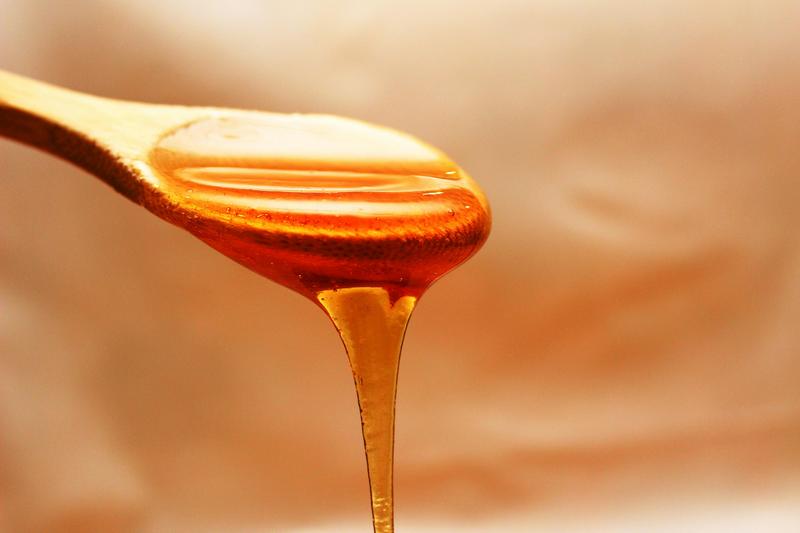
Honey Processing Technology
- Honey Harvesting Technology
Honey extraction is the first step in honey processing. Traditional honey extraction methods typically rely on manual pressing or centrifugation. However, these methods involve certain labor costs and are relatively inefficient. Modern honey extraction technologies use low-temperature extraction, ultrasonic extraction, and other methods to effectively preserve the active ingredients and aroma of the honey. - Technology for Detecting Honey Bacteria
As a natural food product, honey can become contaminated with external bacteria during the production process. Therefore, honey producers should use appropriate technologies for bacterial detection to ensure the product’s microbial safety. Modern technologies for bacterial detection include PCR technology, culture-based methods, and others, which can be used to accurately determine the type and quantity of bacteria in honey. - Honey Storage Technology
Honey has a long shelf life, but there are a few things to keep in mind when storing it. First, honey should be stored in a cool, dry place, away from direct sunlight and high temperatures. Second, the honey’s appearance and smell should be checked regularly during storage, and any abnormalities should be addressed promptly. Finally, honey should be stored in tightly sealed glass or plastic bottles to prevent oxygen and moisture from entering.
Honey Packaging Solution
- Packaging Design
The packaging design for honey products should focus on the product’s characteristics and market positioning. Designers can draw inspiration from the honey’s source, production process, nutritional content, and other factors, and use appropriate colors, patterns, and fonts to make the packaging more attractive and recognizable. At the same time, the packaging design should also take into account the practical storage and use of the honey and choose packaging that is easy to open and reseal. - Packaging Materials
Packaging materials for honey products should be safe, hygienic, and environmentally friendly. Traditionally, packaging materials used for honey include glass bottles, plastic bottles, and so on. With advances in science and technology, new options for honey packaging materials have emerged, such as PET bottles and composite films. Regardless of whether the container is a glass or plastic bottle, it should comply with applicable food safety standards to prevent contamination of the honey products. - Packaging and Printing
The text and designs on honey product packaging should be clear and legible, and the requirements for print quality are high. For packaging and printing, you can choose screen printing, gravure printing, and other technologies to ensure print quality and durability. In addition, the inks and coatings used in the printing process should be materials that comply with food safety standards to prevent contamination of the honey products. - Packaging and Sealing
The packaging and sealing of honey products are key to product quality and help extend shelf life. Adhesive tape, heat sealing, and other technologies can be used for packaging and sealing to ensure the integrity of the packaging and the stability of the contents. During the packaging and sealing process, appropriate anti-counterfeiting measures can also be implemented to prevent counterfeiting and quality issues.
Common Packaging Methods for Honey Products
Packaging for Glass Bottles
Glass bottles are a common type of packaging for honey. They are highly transparent, allowing the color and purity of the honey to shine through. At the same time, glass bottles protect the quality of the honey and can effectively block the effects of light and oxygen on it.
Packaging of Plastic Bottles
Plastic bottles are another commonly used type of packaging for honey. They offer good impact resistance and sealing properties and can effectively protect the quality of the honey during transport and storage. In addition, plastic bottles are relatively lightweight, which can reduce shipping costs.
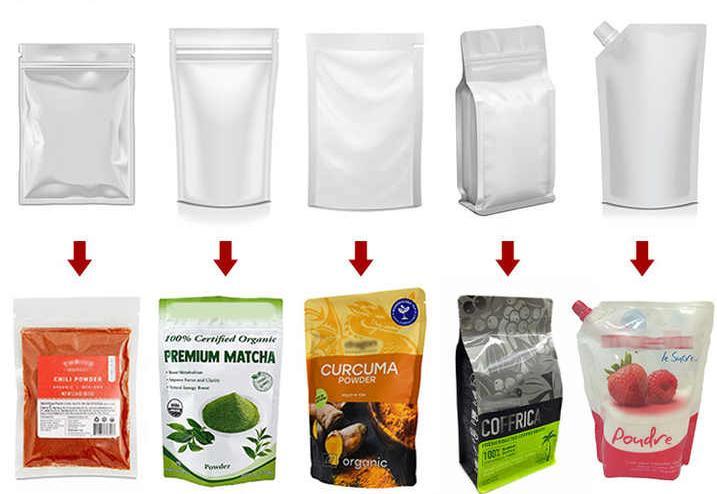
Packaging Bags
Packaging pouches are a cost-effective and practical way to package honey and are suitable for small and medium-sized packages. Depending on your needs, you can choose from packaging pouches made of various materials—such as polyethylene honey pouches, aluminum foil composite honey pouches, and so on—to meet different requirements. In addition, packaging pouches can be customized in shape and size to fit the product, offering a high degree of flexibility in packaging design.
Selecting Packaging Materials for Bee Products
Glass material
Glass is a packaging material with high transparency and chemical resistance, making it highly suitable for honey products. Glass bottles provide excellent protection against light and oxygen, effectively preserving the quality of the honey. In addition, glass is recyclable and sustainable.
Plastics
Plastics are characterized by good impact resistance, leak-tightness, and chemical stability, and are suitable for packaging honey products. Common plastics include polyethylene (PE), polypropylene (PP), and polyvinyl alcohol (PVA). When selecting plastics, their impact on honey quality should be taken into account to prevent the migration of harmful substances.
Aluminum foil material
Aluminum foil is a packaging material with good barrier and preservation properties that is particularly well-suited for honey products. Aluminum foil pouches effectively block light, oxygen, and moisture, preserving the freshness and flavor of the honey. In addition, aluminum foil is characterized by good heat-sealability and recyclability.
Advanced Packaging Solution for Honey
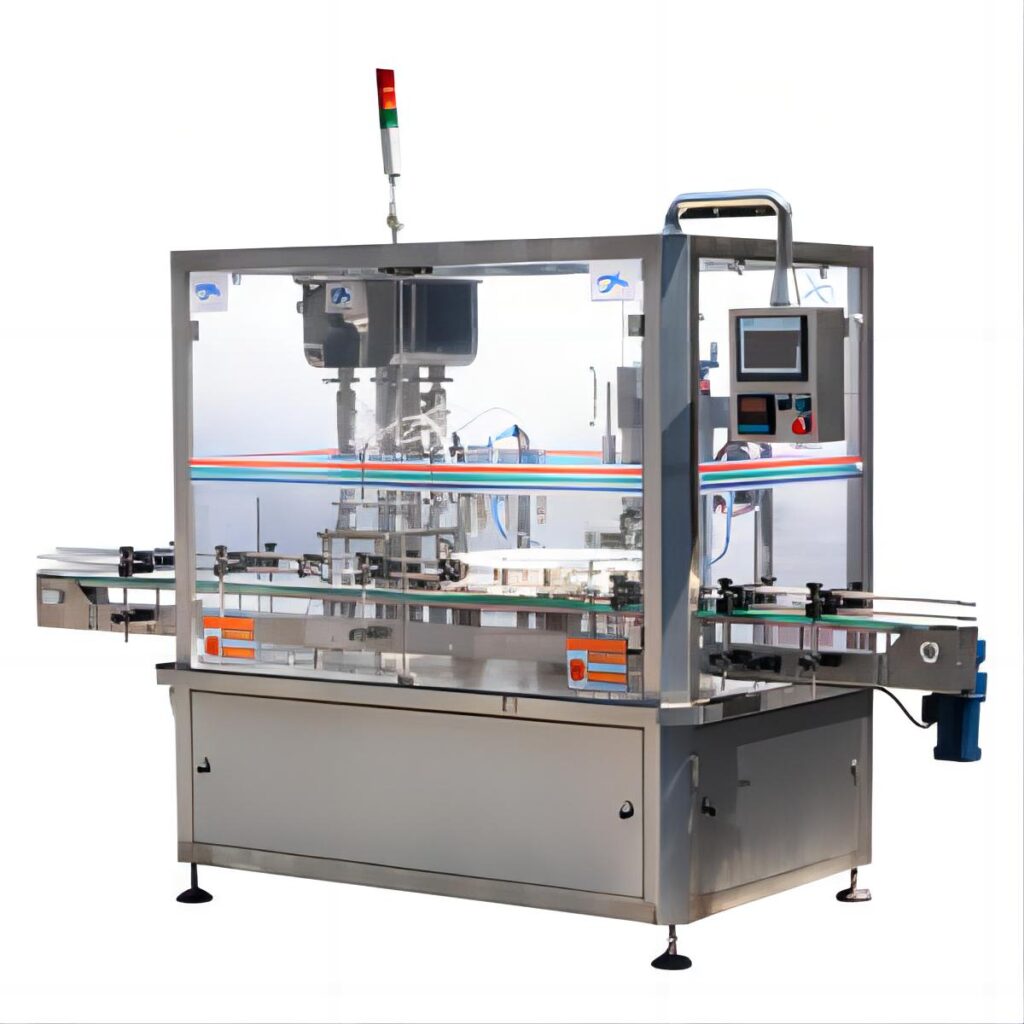
Technology for Filling Plastic Bottles
Conventional filling technology for plastic bottles of honey has the drawback of significant waste, and it is impossible to fill the bottle completely with honey. Therefore, we have developed a new filling technology for plastic bottles that can reduce waste by modifying the bottle opening or using a special filling device, allowing the honey to be filled completely into the bottle.
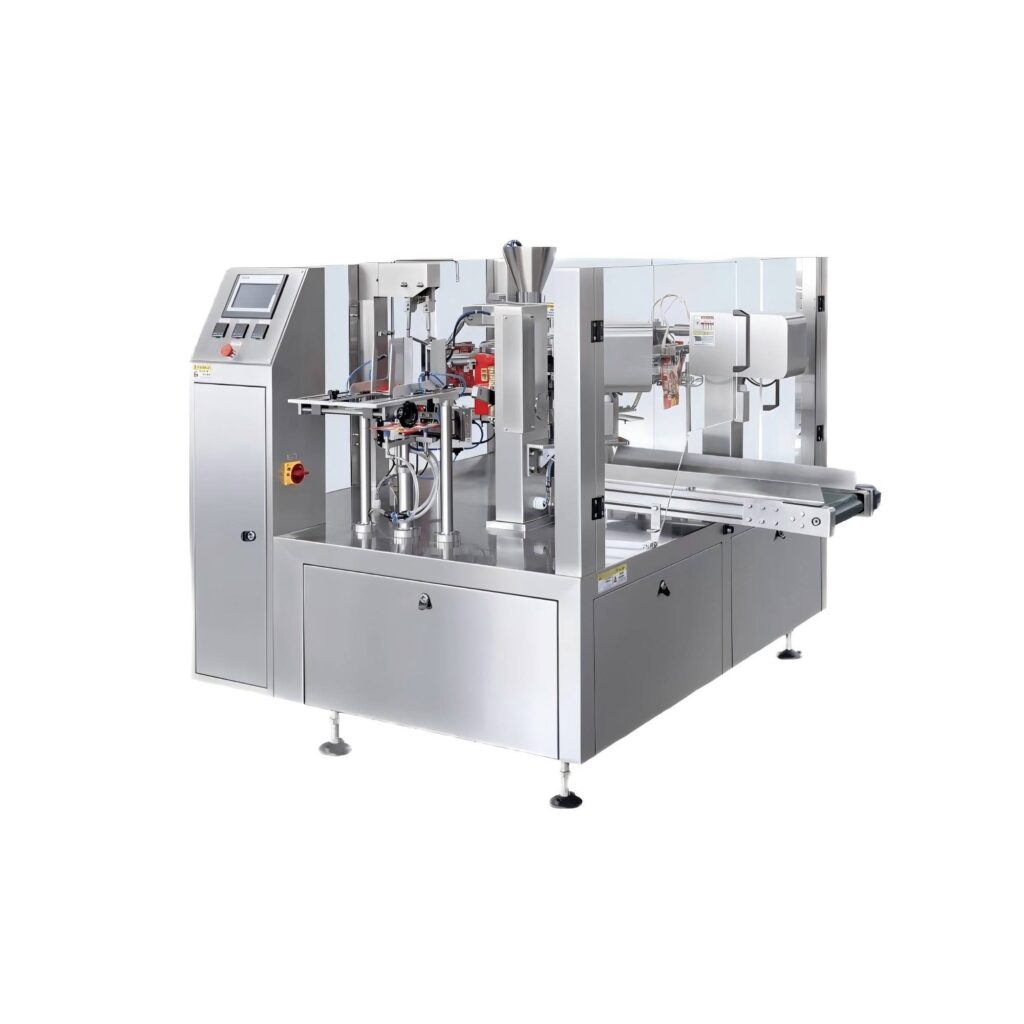
Vacuum Packaging Technology
Vacuum packaging can effectively reduce the rate of oxidation in honey and extend its shelf life. We have applied vacuum packaging technology to honey products. By removing the air from the packaging pouch, the oxygen concentration is reduced to preserve the freshness and flavor of the honey.
Traceable Packaging Technology
To improve the safety and credibility of honey products, we rely on traceable packaging technology. By printing key information such as the lot number and production date on the packaging and integrating this with the traceability system, consumers can track the production process and the source of the product’s raw materials by scanning the QR code on the packaging or entering the relevant information.


 English
  German