Packaging is a general term for the process of filling, wrapping, and packing products. It protects products and facilitates their transport, storage, and sale. Food packaging should be both practical and decorative in order to enhance the appearance of products, promote them, and attract consumers.
Type of Packaging System
There are many types of packaging: Depending on the intended use, packaging is categorized as industrial packaging, commercial packaging, and military packaging; depending on the function of the packaging, it is categorized as inner packaging (including primary packaging and secondary packaging) and outer packaging; depending on the product type, a distinction is made between block packaging, granular packaging, powder packaging, liquid packaging, sauce packaging, etc.; depending on the specific requirements of the product, a distinction is made between food packaging, moisture-resistant packaging, packaging for fragile items, and packaging for hazardous materials. Packaging materials should be non-toxic and comply with national health regulations. In addition, easy access should be ensured, and the packaging should be able to resolve the conflict between sealing and easy access.
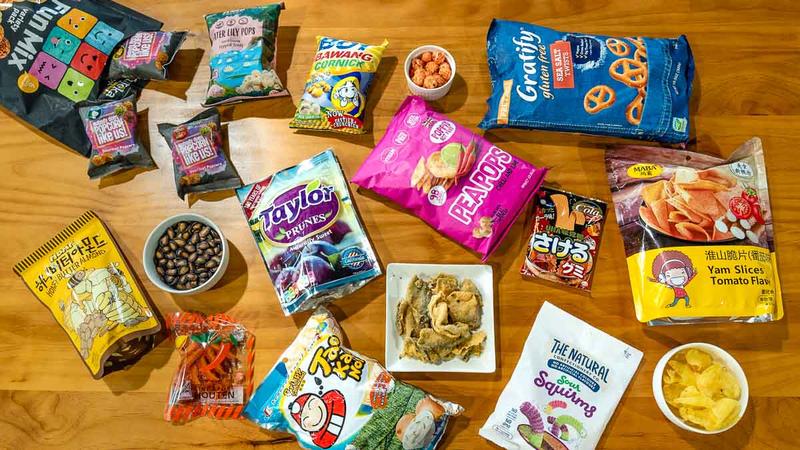
Inner packaging is the most basic form of packaging, including primary packaging and secondary packaging. Primary packaging is a form of packaging in which the packaged item and the packaging material are in direct contact. Examples include candy wrappers, beverage bottle packaging, detergent pouch packaging, toothpaste tube packaging, and so on. Intermediate packaging is used to repackage the directly packaged products according to a specific quantity or pattern, such as packaging items in bottles or pouches and then into cartons, or combined packaging for cosmetic sets.
Outer Packaging consists of collecting a certain number of packaged products and repackaging them to facilitate transport and storage. The outer packaging usually consists of cardboard or wooden crates secured with plastic or metal straps. Moisture-resistant items should be lined with plastic film, and shock-resistant items should be padded with foam. The specifications, dimensions, and markings of the outer packaging should comply with the relevant national standards.
The Most Important Food Packaging Methods Types of packaging include bottling, canning, packing in cartons, bagging, wrapping, bundling, etc., which can be selected based on product type, storage and usage requirements, regional sales practices, and consumer psychology. The same product can be packaged using different methods, such as hard packaging, simple packaging, or bulk packaging; large packages, small packages, or family-size packages; or filling, packing in cartons, canning, and bagging. This is to meet the requirements of different sales items and different consumer segments.
Composition of Packaging Equipment
The structure of the Packaging Machine consists of three parts: the drive section, the transmission section, and the operating section.
To facilitate the analysis and understanding of the operating principles and structural characteristics of the packaging machine, we break down the three main components of the packaging machine into 8 aspects based on their functions and refer to them as the 8 elements of the packaging machine.

Quantitative Feeding Device: Sort, measure, arrange, and transport the items to the designated station.
Sorting and Feeding Device: Cut packaging materials or containers to the required size, sort them, arrange them, and transport them to the designated station.
Main Conveyor System: A device that sequentially transports packaging items and materials from one station to the next. In single-station packaging machines, this device may not be required.
Packaging Machine: A machine that directly performs packaging operations such as wrapping, filling, sealing, labeling, and bundling.
Dispensing device for finished products: This is a device that unloads the packaged finished product from the packaging unit and sends it away from the packaging machine.
Power Source and Transmission Device: The power source is generally an electric motor. The transmission system includes a reduction gear as well as a mechanism for transmitting and converting power and motion, and can take various forms, such as mechanical, hydraulic, pneumatic, electromagnetic, and optical.
Control Unit: It includes the display and control system for packaging speed, pressure, temperature, and cycle time; the monitoring and control system for packaging quantity and quality; and various automatic safety devices for the machine.
Machine Body: It is used to support and secure the relevant parts so that they remain in their specified operating positions, and it also provides a certain degree of protection for the machine. Its design should be easy to operate and maintain, and its appearance should be as attractive as possible.
The figure shows a block diagram of the packaging machine, illustrating the relationships between the machine's eight components. The double arrows in the figure represent the main conveyor system for packaging materials; the solid arrows represent the transfer relationships; and the dotted arrows represent the control relationships.

Graduation
Packaging systems are essential equipment in the light industrial sector. They are frequently used in the production of food, daily necessities, cosmetics, pharmaceuticals, textiles, stationery, toys, household appliances, and small hardware items, and are employed in the final stage of the production process. Poor packaging quality has serious consequences for product quality and economic benefits.
Modern packaging systems are changing every day. They are evolving rapidly in terms of packaging speed, quality, and types, as well as the mechanization and automation of the packaging process. Research and development of new packaging processes, the development of new manufacturing and packaging materials, and the invention and use of new technologies have made it possible to develop and manufacture modern, efficient, fast, and high-quality packaging machines.





 English
  German