Packaging solutions for seafood are essential for preserving its quality and freshness while ensuring safe transport and compliance with regulatory requirements. The industry has made significant strides in packaging technologies that meet both preservation requirements and sustainability goals.
The 5 Best Packaging Solutions for Seafood
Vacuum Skin Packaging (VSP)
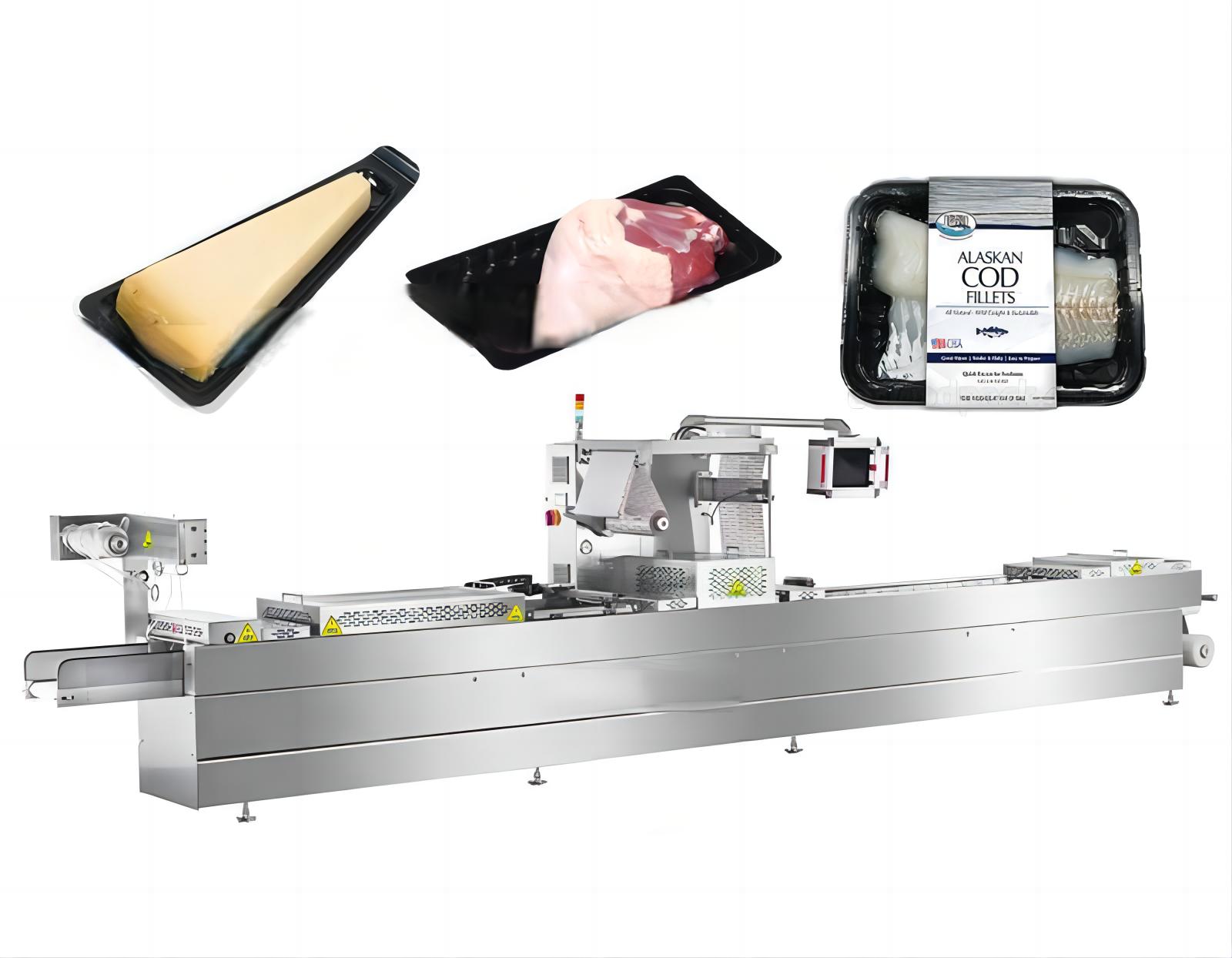
With this method, seafood is sealed in plastic film that fits snugly around the product, maximizing shelf life and enhancing presentation. This method is particularly well-suited for fish fillets and other delicate seafood.
Modified Atmosphere Packaging (MAP)
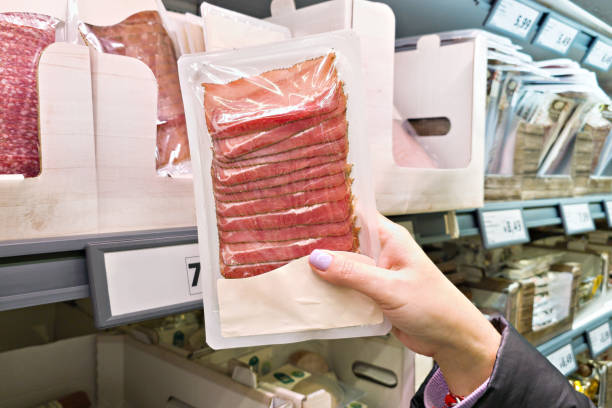
MAP replaces the air in the packaging with a gas mixture. This typically reduces the oxygen content to extend the shelf life. This method helps preserve the freshness of seafood by inhibiting microbial growth.
Shell Sealing
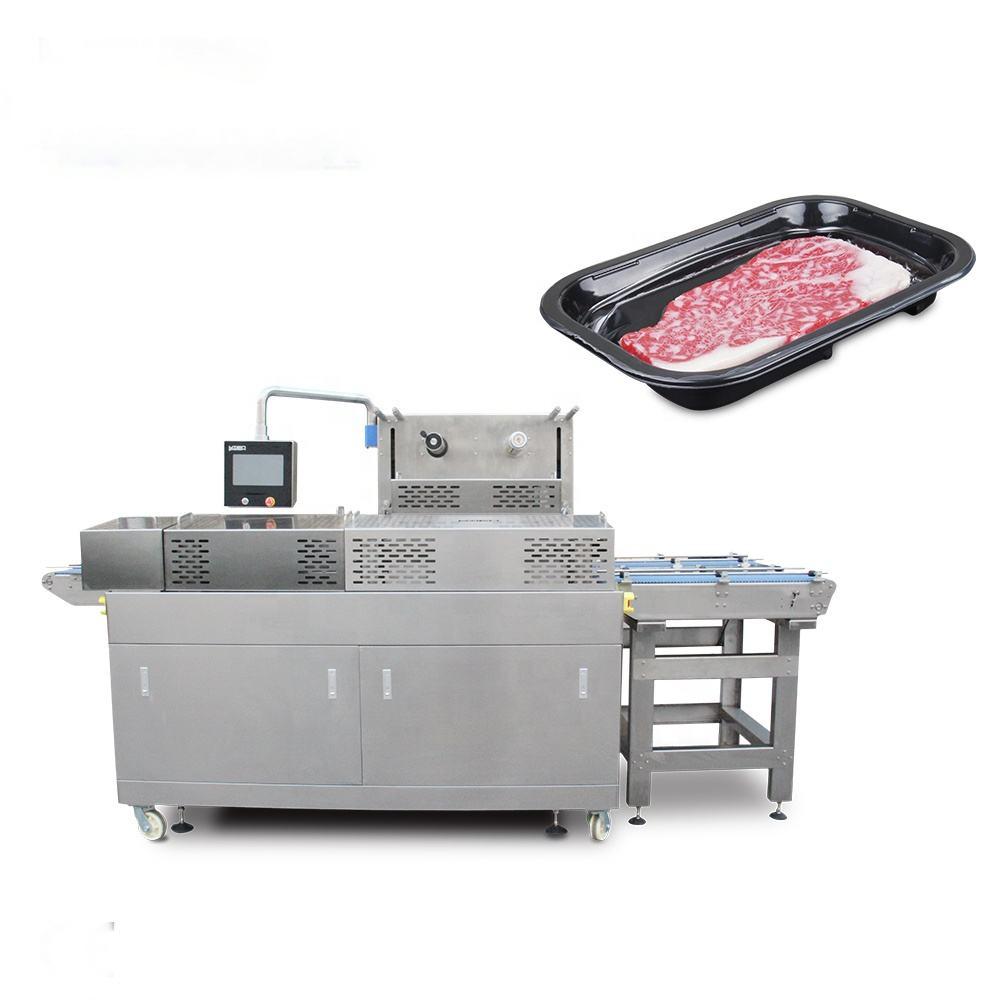
In this process, seafood is sealed in trays with plastic film. While it is not ideal for extending shelf life, it is suitable for frozen or non-perishable products.
Active Packaging
This innovative approach involves materials that actively interact with the contents, thereby improving preservation. For example, oxygen scavengers can prevent fatty fish from becoming rancid, while moisture absorbers extend the shelf life of fresh seafood by reducing condensation.
Sustainable Packaging Options
In light of growing consumer demand for environmentally friendly solutions, many companies are researching biodegradable or recyclable materials made from seafood waste or other renewable sources. These materials are intended to reduce the environmental impact of packaging while maintaining functionality.
The Importance of Seafood Packaging
Effective packaging for seafood serves several important functions:
- Quality Assurance: Proper packaging helps preserve the freshness and quality of seafood by preventing spoilage caused by microbial growth and oxidation.
- Security and Compliance: Packaging must comply with the regulatory standards set by organizations such as the FDA to ensure that seafood products are safe for consumption.
- Consumer appeal: Attractive packaging can enhance a product's visibility and brand image, thereby influencing consumers' purchasing decisions.
- Waste Reduction: Efficient packaging designs can minimize waste during transport and storage, thereby contributing to the industry's sustainability efforts.

Leading Companies in the Seafood Packaging Industry
Several companies are being recognized for their innovative approaches to seafood packaging:
- ULMA Packaging: A leading company in the field of sustainable packaging solutions for the fishing industry, offering a range of machines and systems designed to improve product preservation and safety.
- Point Five Packaging: Specializes in advanced packaging solutions for seafood that extend shelf life and preserve freshness through techniques such as VSP and MAP.
- Lintyco Group: A leading provider of equipment and service solutions for the packaging of beverages, food, household products, and personal care products in pouches, cans, glass, and other materials.
- GEA Group: Offers comprehensive processing and packaging solutions tailored to seafood producers, with a focus on efficiency and sustainability throughout the supply chain.
Sustainability Trends
The trend toward sustainability is changing the seafood packaging landscape. Consumers are increasingly preferring products packaged in materials that are recyclable or made from renewable resources. Companies are responding by developing innovative solutions such as fiber-based materials and biopolymers made from seafood waste. These not only reduce the environmental impact but also meet consumers’ demand for sustainability.

Frequently Asked Questions (FAQs) About Packaging Solutions for Seafood
1. What are the best materials for packaging seafood?
Choosing the right material is crucial to the quality and safety of seafood. The most common packaging materials for seafood include:
Vacuum-sealed plastic bags: Vacuum sealing removes air, reducing oxidation and bacterial growth, which helps keep seafood fresh longer. It’s ideal for fillets, shrimp, and other delicate products.
Modified Atmosphere Packaging (MAP): MAP replaces the air in the package with a protective gas mixture, usually nitrogen or carbon dioxide, which preserves color, texture, and flavor. This process is often used for shellfish, pre-cooked seafood, and smoked fish.
Foam shells with a plastic film coating: This solution is commonly used in retail and offers good visibility while protecting the product from moisture and contaminants.
Recyclable or biodegradable materials: Eco-friendly packaging options are becoming increasingly popular among seafood brands, particularly in terms of sustainability. Biodegradable films and compostable trays offer a more eco-friendly alternative to conventional plastic.
Choosing the right packaging material is a crucial step in preventing spoilage and preserving the quality of seafood.
2. How does packaging affect the shelf life of seafood?
Proper packaging of seafood can significantly extend the shelf life of fresh, frozen, and processed seafood. For example:
- Vacuum-Packed Seafood can last up to 5–7 days can be stored in the refrigerator longer than unsealed products.
- Frozen Seafood When stored in vacuum-sealed bags, it retains its quality for up to 6–12 months.
- Modified Atmosphere Packaging (MAP) can extend the freshness of refrigerated seafood by several days to weeks, depending on the product.
By using modern packaging techniques, you can reduce waste, improve customer satisfaction, and increase profitability.
3. How can I ensure that my seafood packaging is both safe and appealing?
Packaging safety is essential in the fishing industry, and at the same time, the product’s appearance has a significant impact on consumers’ purchasing decisions. To ensure both, you should consider the following strategies:
- Seal of Authenticity: Secure seals and visible tamper-evident indicators guarantee product integrity for customers.
- Clear Labeling: Highlight important information such as origin, sustainability certifications (e.g., MSC-certified), and nutritional information.
- Attractive Designs: Use bold colors, transparent windows, and eco-friendly branding to make your products stand out on the shelves.
By combining safety with strong visual appeal, you can engage consumers and build trust.
4. What role does sustainable packaging play in seafood sales?
Sustainability is having an increasing influence on consumers' purchasing decisions. According to a recent survey by the International Food Information Council (IFIC), over 50%: The Consumer When buying seafood, look for sustainability. By using eco-friendly packaging, seafood brands can:
- Boost Brand Loyalty: Consumers are more likely to support brands that reflect their values.
- Comply with legal standards: Governments and retailers are placing greater emphasis on sustainability, and some countries have introduced stricter packaging laws.
- Reduce your environmental impact: By using recyclable or compostable materials, you help reduce marine pollution and protect marine ecosystems.
The use of sustainable packaging is a win-win solution for businesses and the environment.
Graduation
Selecting appropriate packaging solutions for seafood is crucial for maintaining product quality, ensuring safety, complying with legal regulations, and addressing environmental concerns. As technology advances, the industry is continually moving toward more sustainable practices while improving product preservation.
By investing in the best packaging solutions for seafood, you can ensure that your products reach consumers in optimal condition while also meeting modern standards for sustainability and convenience.



 English
  German