Introduction
In the ever-evolving snack industry, sustainability is becoming increasingly important. This is particularly true for the equipment and technologies used in the production process. By using environmentally friendly processes, manufacturers can significantly reduce their environmental impact while ensuring the quality of their snack products. In this article, we examine the importance of sustainable equipment in the snack industry, focusing on energy-efficient machines, biodegradable materials, and waste reduction strategies.

Energy-Efficient Machines
Energy-efficient machines play a crucial role, above all, in reducing the carbon footprint of snack production. By utilizing state-of-the-art technology, these machines optimize energy consumption, resulting in lower greenhouse gas emissions and reduced energy costs. This not only benefits the environment but also contributes to the company’s long-term financial stability.
Benefits of Energy Efficiency
- Lower Emissions: Energy-efficient machines emit fewer greenhouse gases and thus contribute to cleaner air and a healthier environment.
- Cost Savings: Reduced energy consumption translates to lower operating costs, improving the company’s bottom line.
- Compliance: Many regions have strict environmental regulations. Energy-efficient machines help companies comply with these laws.
Biodegradable materials
Another key aspect of sustainable snack production is the use of biodegradable materials. These include packaging materials such as bioplastics, which are made from renewable raw materials and can be easily broken down by microorganisms. By using biodegradable materials, manufacturers can significantly reduce the amount of waste that ends up in landfills or pollutes the environment.
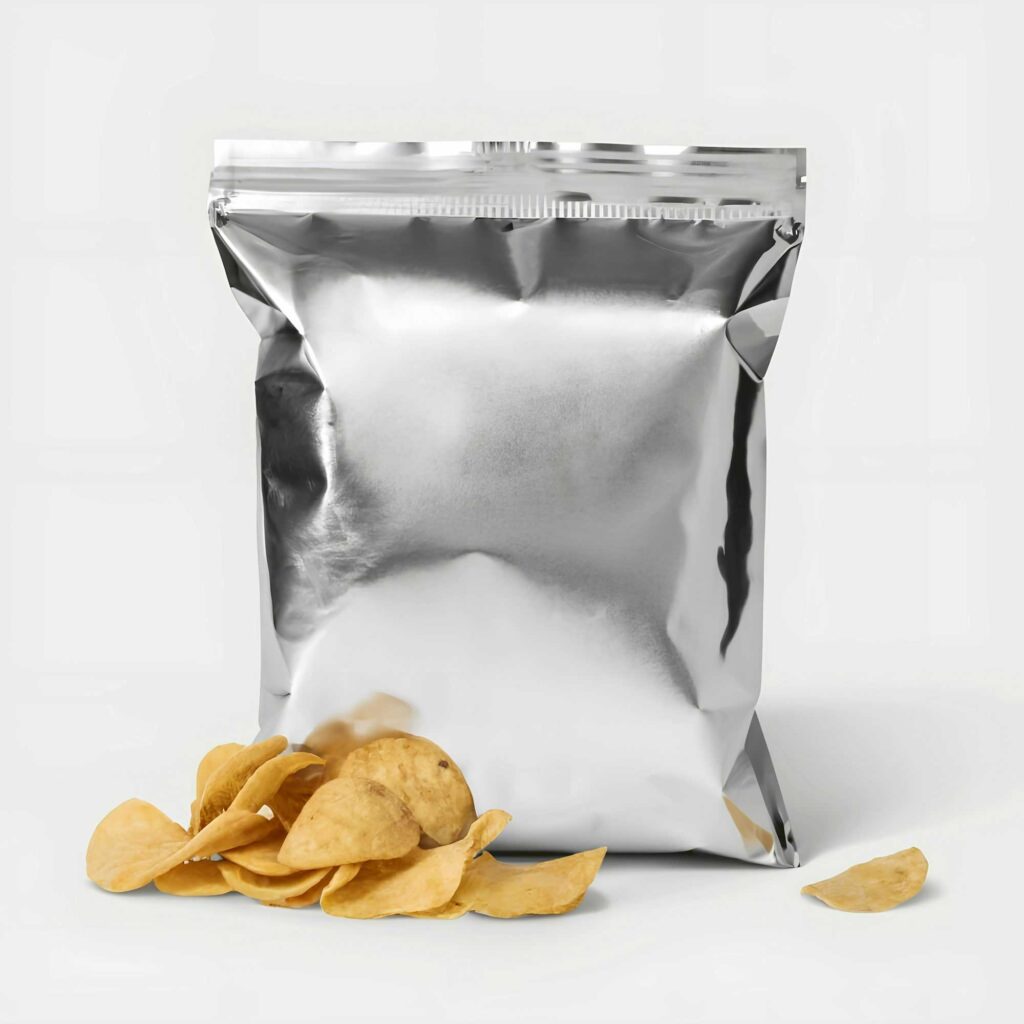
Benefits of Biodegradable Packaging
- Environmental Impacts: Biodegradable materials break down naturally, thereby reducing environmental pollution and the use of landfills.
- Consumer preference: Consumers are increasingly choosing products with eco-friendly packaging, which strengthens the brand's reputation.
- Resource Efficiency: Compared to conventional plastics, the production of bioplastics often requires less energy, which further reduces the environmental impact.
Waste Reduction Strategies
In addition to energy-efficient machinery and biodegradable materials, waste reduction strategies are crucial for a sustainable snack production process. This can be achieved through various measures, such as minimizing food waste during production, optimizing packaging materials, and implementing recycling programs for waste materials. By implementing these measures, manufacturers can not only reduce their environmental impact but also contribute to a more sustainable future for the industry.
Implementing Waste Reduction
- Minimizing Food Waste: Implementing efficient production processes that minimize waste.
- Packaging Optimization: Developing packaging that uses less material without compromising product protection.
- Recycling Programs: Establishment of systems for recycling materials used in production and packaging.
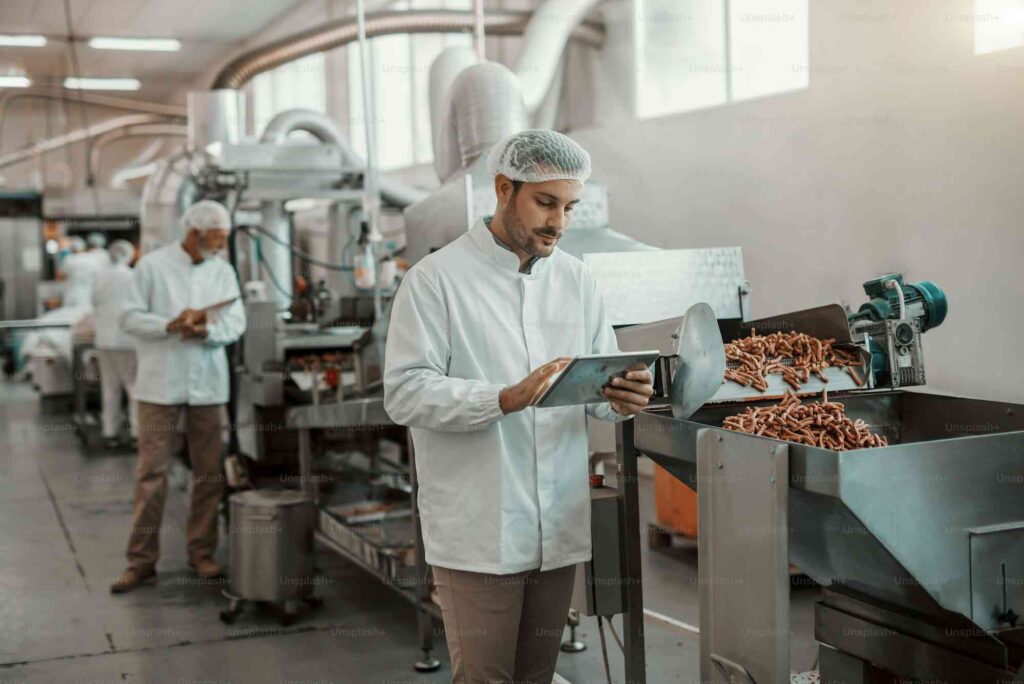
Considerations Regarding the Life Cycle of Devices
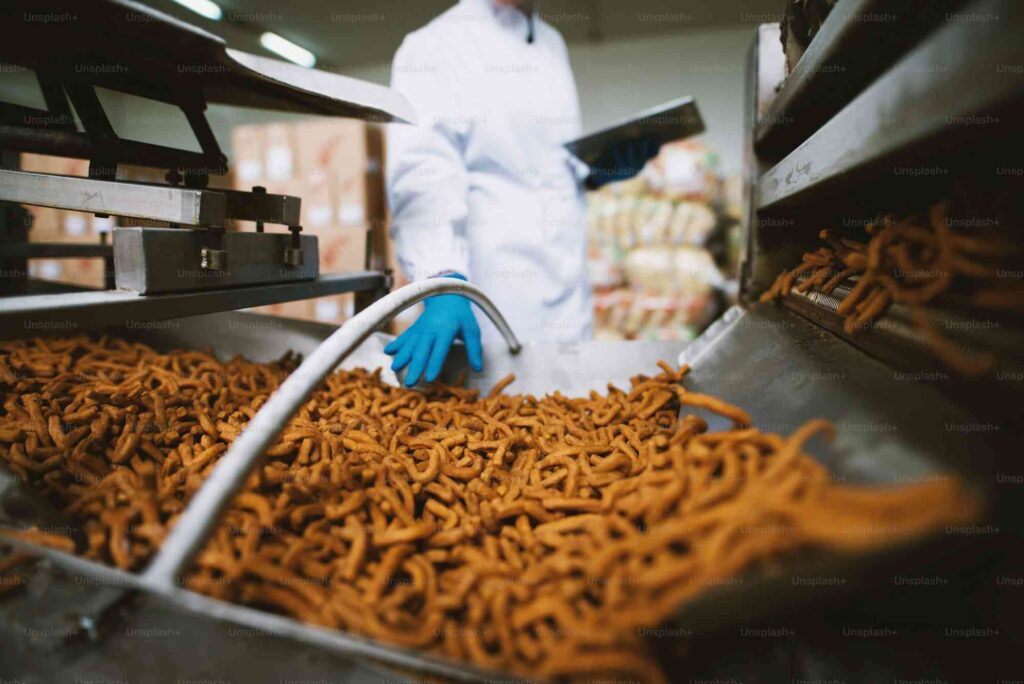
In addition, it is important to consider the entire life cycle of the equipment used in snack production. By investing in high-quality, durable equipment, manufacturers can ensure a longer service life for their machines, reduce the need for frequent replacements, and minimize the environmental impact associated with manufacturing and disposal.
Long-Term Equipment Strategies
- Shelf Life: By choosing durable devices, fewer devices need to be replaced, and there is less waste.
- Maintenance: Regular maintenance extends the service life of the machines, maintains their efficiency, and reduces waste.
- End-of-Life Management: Implementation of plans for the recycling or reuse of equipment at the end of its life cycle.
Graduation
The snack industry bears a great responsibility for sustainable production processes. By using energy-efficient machinery, biodegradable materials, and waste-reduction strategies, manufacturers can contribute to a more environmentally friendly future for the industry. In this way, they not only reduce their environmental impact but also create a more sustainable and responsible industry for future generations.





 English
  German