Dog food packaging plays a crucial role in ensuring the safety and quality of pet food. With the growing number of pet owners, the demand for dog food has increased significantly, making it essential to implement strict regulations and safety measures.
The Importance of Dog Food Packaging
Proper dog food packaging is essential for maintaining the quality and safety of dog food. Packaging acts as a protective barrier against environmental contaminants such as moisture, oxygen, and light, which can degrade the nutritional value and compromise the safety of the dog food. Additionally, good packaging helps preserve the product’s freshness and extends its shelf life, allowing pet owners to purchase dog food in bulk without worrying about spoilage.
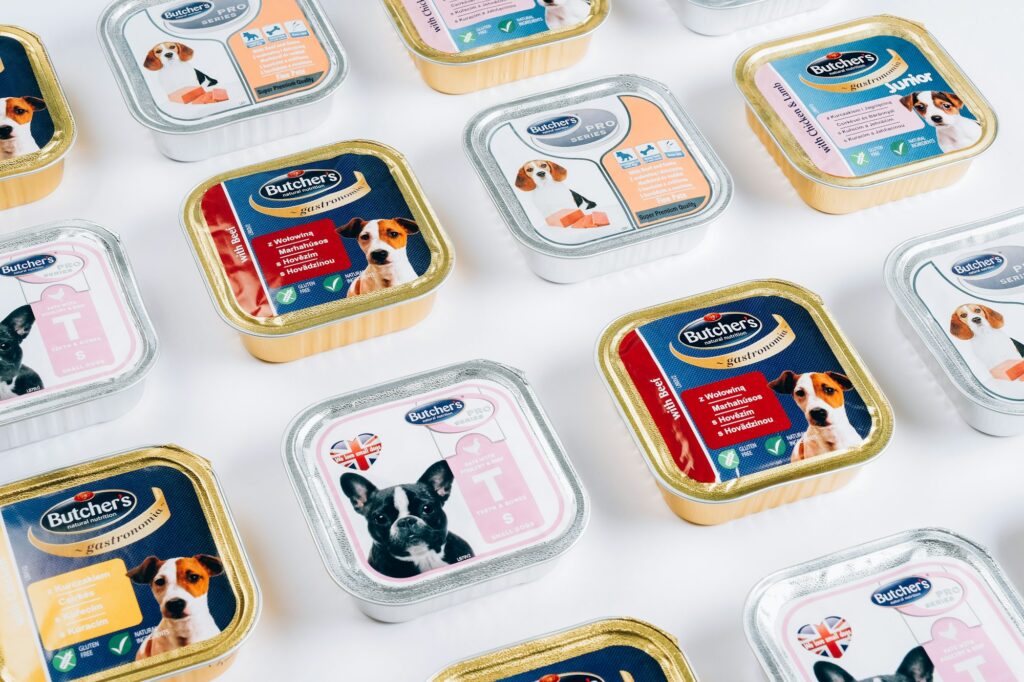
Regulations for the Packaging of Dog Food
The pet food industry is regulated by several agencies, including the U.S. Food and Drug Administration (FDA) and the Association of American Feed Control Officials (AAFCO). These organizations establish guidelines and standards for the packaging of dog food to ensure that the products are safe, nutritious, and properly labeled.
The FDA requires dog food packaging to include specific information, such as the product’s name, ingredients, and nutritional content. In addition, the AAFCO sets standards for pet food labeling, including definitions of terms used on packaging and requirements for nutritional content. These regulations help ensure that pet owners are well-informed about the products they purchase.
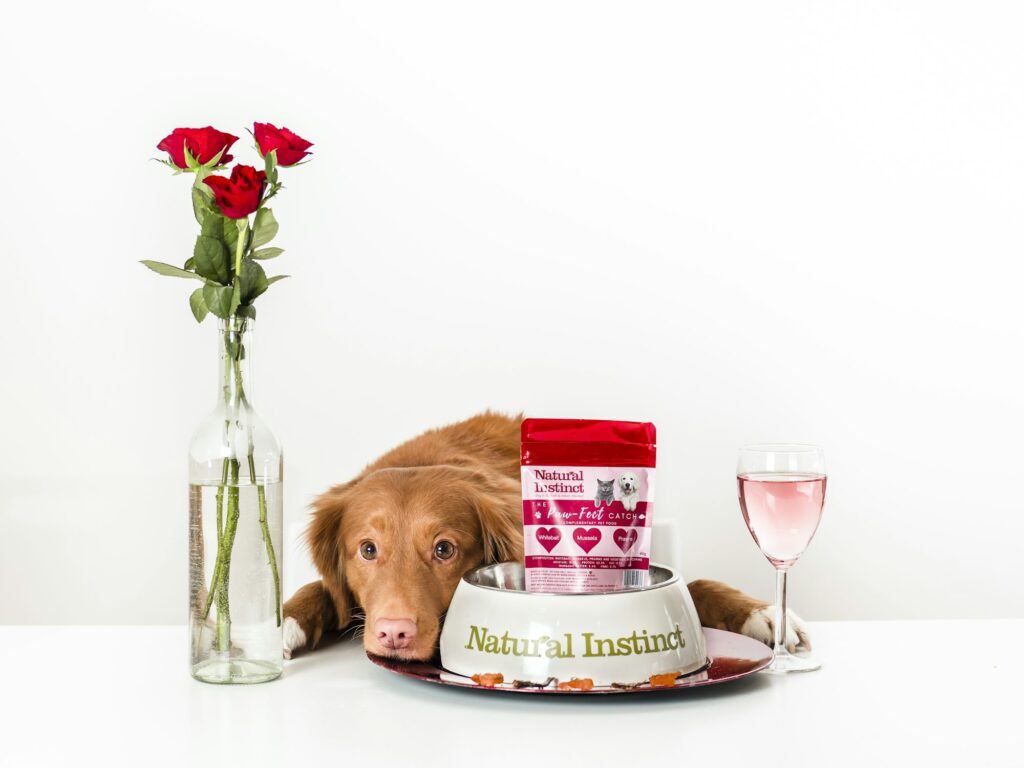
Safety Considerations for Dog Food Packaging
Safety is a critical consideration in dog food packaging. To ensure the safety of the animals, the packaging must be designed to prevent contamination and spoilage. This includes materials that are resistant to moisture, oxygen, and light, as well as resealable closures to preserve the product’s freshness. In addition, the packaging should be free of harmful substances that could contaminate the dog food or pose a risk to the animals.
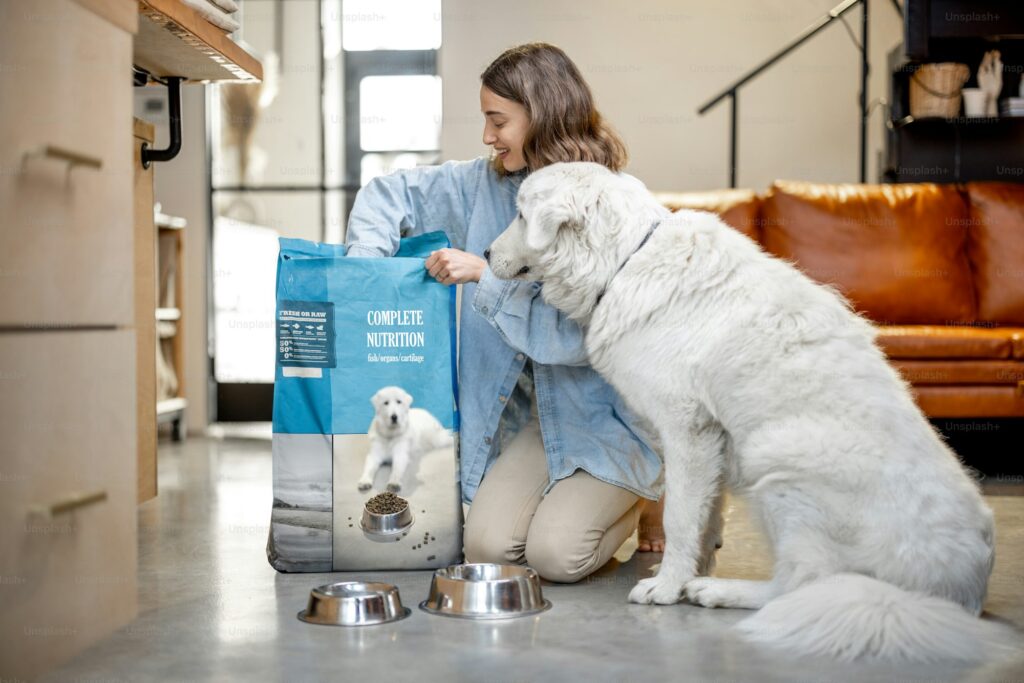
Best Practices for Dog Food Packaging
Adhering to best practices in dog food packaging ensures the safety and quality of the pet food. Some best practices include:
- Use of high-quality materials: Selection of packaging materials that provide a strong barrier against contaminants.
- Ensuring Proper Seals: With resealable lids to preserve freshness and prevent spoilage.
- Precise Labeling: Follow FDA and AAFCO guidelines to provide clear and accurate product information.
- Regular quality checks: Conduct routine inspections and tests to ensure the integrity and safety of the packaging.
Graduation
Dog food packaging plays a crucial role in the safety and quality of pet food. When pet owners are familiar with the regulations and safety considerations regarding packaging, they can make informed decisions when choosing dog food. With the right packaging and adherence to industry standards, pet owners can be confident that they are providing their dogs with a safe and nutritious source of food.
At LTC Pack, you'll find the perfect machine for your needs. We offer a wide selection of machines and have knowledgeable staff who will be happy to help you choose the right packaging machine for your business.


 English
  German