Cuban coffee ranks among the world’s finest coffees, sharing elite status with Jamaican Blue Mountain and Kopi Luwak.
This comprehensive guide delves into the complex world of Cuban coffee and the specialized packaging solutions required to preserve its exceptional quality.
An Introduction to Cuban Coffee
Coffee cultivation in Cuba began in 1748. It originated in the Dominican Republic and quickly turned the island into one of the world’s premier coffee-growing regions.
Cuba’s natural environment—fertile soil, a humid climate, and abundant rainfall—creates the perfect conditions for growing exceptional coffee beans.
Cuban Coffee Heritage
By the 1920s, coffee production had become Cuba’s main economic driver. It remains a major export to this day.
The predominant variety is Typica, a classic premium Arabica. It is known for its exceptional flavor, but requires intensive care—it has long growth cycles and is susceptible to disease.
Crystal Mountain Coffee: Cuba’s Crown Jewel
Crystal Mountain, located in the Escambray Mountains, rises to a height of over 800 meters. It owes its name to the abundant mica and quartz crystals found in the soil.
This region produces Cuba’s finest coffee. It is often called “Cuba’s Blue Mountain” — due to its geographical proximity and flavor similarities to Jamaica’s Blue Mountain coffee.
Processing Methods and Flavor Profile
There are typically two main methods used in the processing of Cuban coffee:
- Sun-Drying Method — the simplest, most traditional approach. It uses natural sun-drying without fermentation, over the course of about four weeks.
- Washing Method – This technique makes it possible to infuse the beans with more fruity flavor. The result is a cleaner taste, greater acidity, and fewer impurities.
The resulting coffee—especially Cubita from Crystal Mountain—has a clean, delicate flavor. It features a persistent yet gentle acidity, a fruity aroma, and a perfectly balanced smoothness with a wine-like sweetness and subtle smoky notes.
Coffee Bag Materials for Cuban Coffee
Key Characteristics of High-Quality Coffee Bag Materials
Preserving the exceptional qualities of Cuban coffee requires packaging with specific essential properties:
- Barrier Properties — Strong protection against oxygen, moisture, and light to preserve freshness.
- Shelf Life — Resistance to handling, shipping, and storage.
- Sealability — a secure seal to prevent air from entering.
- Printability — support for high-quality branding and product information.
Common Materials Used for Cuban Coffee Packaging
Aluminum foil
Aluminum foil has virtually zero water vapor and oxygen permeability. It offers excellent protection against environmental factors that can compromise coffee quality. Its high puncture and tear resistance make it ideal for packaging high-quality Cuban coffee. It is typically used in multilayer laminates.
Kraft paper
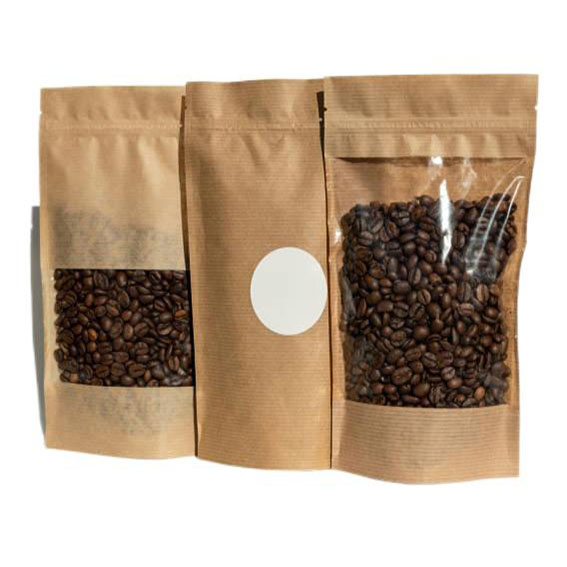
This naturally biodegradable material offers high tear resistance and excellent printability. It is perfect for artisanal Cuban organic coffee. Kraft paper is typically used as the outer layer. It is coated with materials such as PLA or aluminum to enhance its barrier properties.
Low-Density Polyethylene (LDPE)
LDPE works well as an inner layer. It provides a moisture barrier and heat-sealing properties. Its flexibility makes it suitable for various packaging designs. It ensures good sealing characteristics for Cuban coffee bags.
Polyethylene terephthalate (PET)
PET offers excellent barrier properties against gases and moisture. It is highly impact-resistant. Because it is recyclable, it is ideal for environmentally conscious Cuban coffee brands looking for more sustainable options.
Polylactic acid (PLA)
This biodegradable thermoplastic is made from renewable raw materials. It provides a good moisture barrier and can be composted in industrial facilities. As a result, it is ideal for sustainable packaging for Cuban coffee.
Multi-Layered Coffee Bag Structure
Premium Cuban coffee packaging typically uses multi-layered structures. It combines different materials to optimize protection and sustainability:
- Outer layer — Kraft paper for a natural look and printability.
- Middle Class — Aluminum foil for excellent barrier properties.
- Inner layer — Food-grade plastic for moisture resistance and heat sealing.
This combination preserves the freshness of Cuban coffee. It also makes for an appealing visual presentation.
Lintyco Packaging Solutions for Cuban Coffee
Lintyco Coffee Packaging Excellence
Lintyco Pack has more than 15 years of experience manufacturing high-quality products. The company offers professional packaging machines for the coffee industry. As a leading manufacturer with over 40,000 machines installed in more than 190 countries, Lintyco provides comprehensive packaging solutions. The company preserves the integrity and quality of premium Cuban coffee.
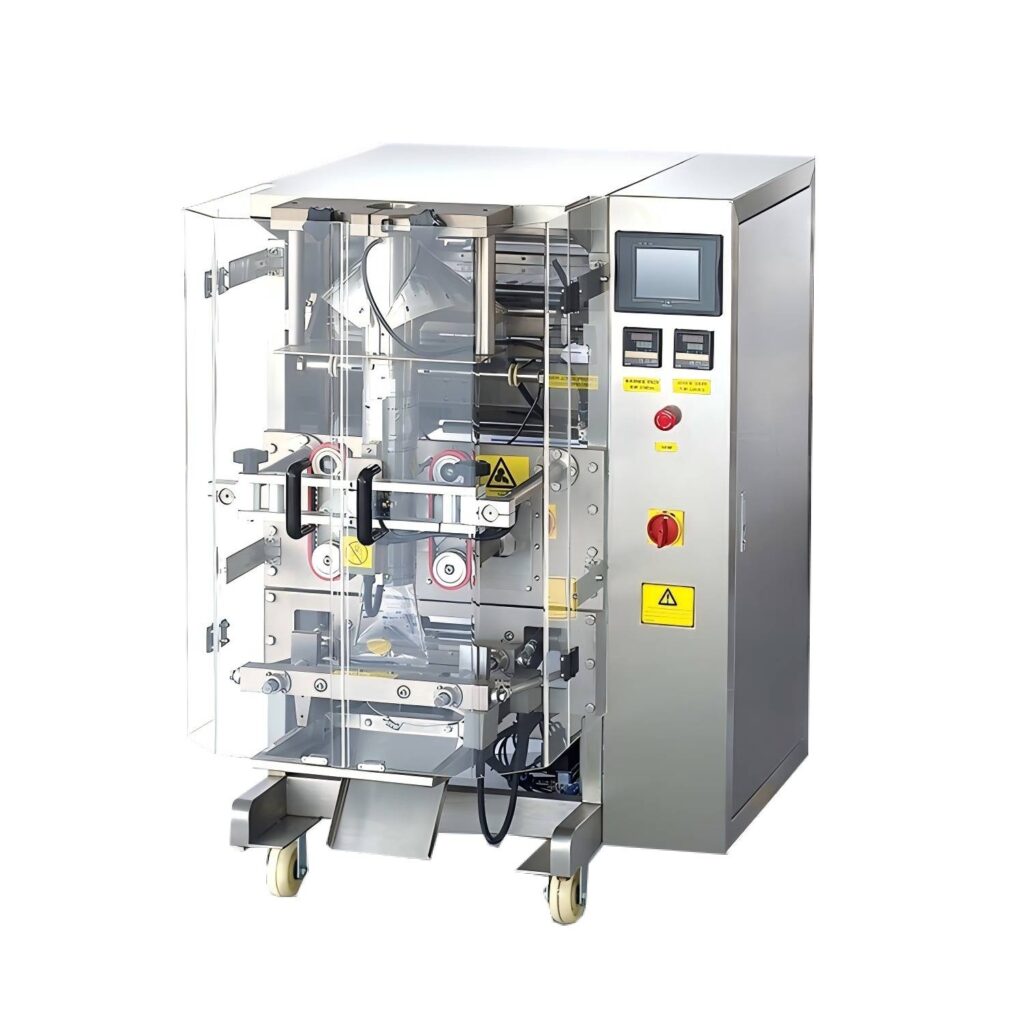
Rotary Pre-formed Bag Coffee Packaging Machine
Key Features
- Packs up to 80 bags per minute.
- SS304 design with German/Japanese electronic components.
- OEM Services, Customization Options.
- Reliable delivery times.
Benefits of Cuban Coffee
- Handles various pouch styles—stand-up pouches, gusseted bags, and flat-bottom pouches.
- Precise fill control ensures consistent weight and consistent quality.
- Compatibility of the degassing valve with freshly roasted Cuban coffee beans.
- Nitrogen flushing to preserve the flavor and prevent oxidation.
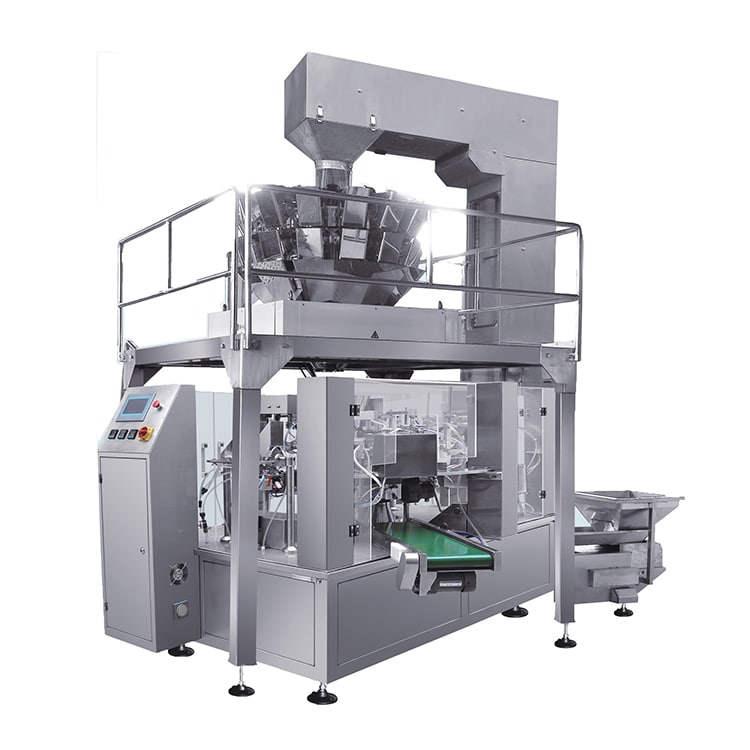
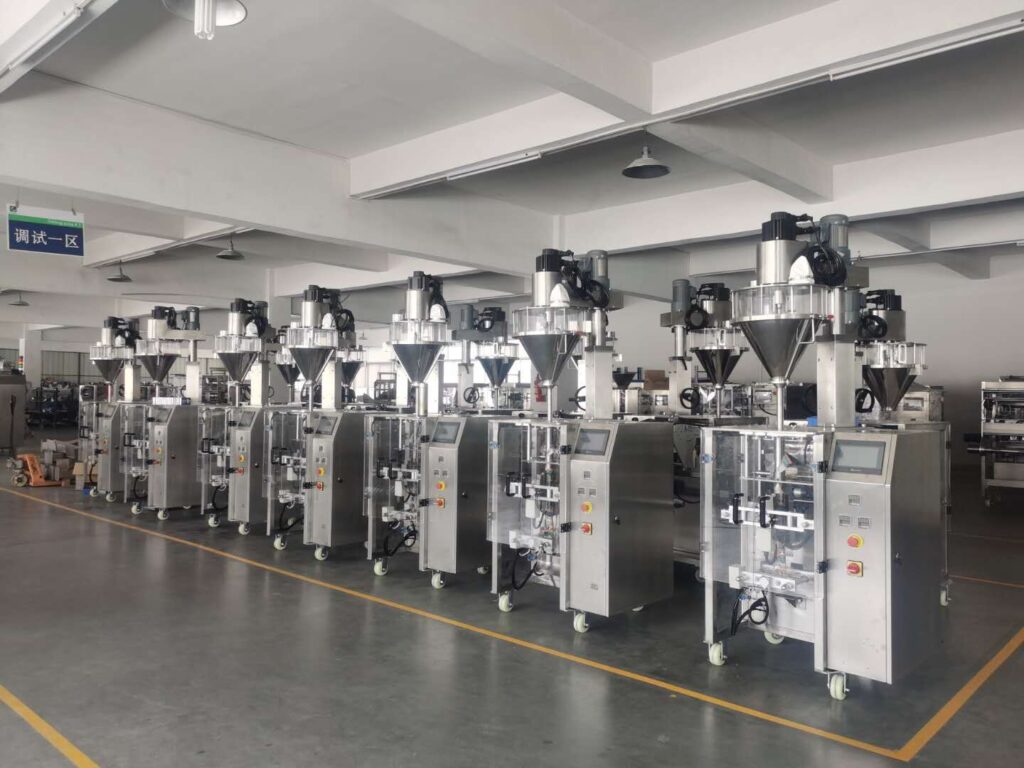
Vertical Form Fill & Seal (VFFS) Coffee Packaging Machine
Key Features
- Packs up to 60 bags per minute.
- Cost-effective solution.
- Servo-driven system for easy integration.
- Suitable for damp and cold packaging environments.
Benefits of Cuban Coffee
- Perfect for both whole beans and ground Cuban coffee.
- An intelligent weighing system ensures accurate portioning.
- Easy-to-clean stainless steel construction.
- Adjustable to fit different bag sizes and types.
Specialized Packaging Solutions for Cuban Coffee
Packaging for filter coffee bags
For the convenience of single-serve Cuban coffee, Lintyco offers specialized drip coffee bag packaging machines. They:
- Create custom filter bags with pre-portioned Cuban coffee.
- Maintain the optimal grind size for perfect extraction.
- Includes a nitrogen purge function.
- Place the infusion bags in protective outer bags.
Stick Pack Solutions
Perfect for premium coffee samples from Cuba, single-serve portions:
- Multi-lane capability (4, 8, or 12 lanes).
- Precise dosing for consistent quality.
- Minimal use of packaging film.
- Perfect for Crystal Mountain coffee sample packs.
Packaging Process for Cuban Coffee
Preparing for Packaging
Quality Selection — Hand-picked Cuban coffee beans are sorted. This removes immature and defective beans. It ensures that only premium-quality beans reach the packaging stage.
Thoughts on Roasting — Freshly roasted Cuban coffee must be degassed before packaging. This prevents the bag from expanding due to the release of CO2.
Grind Size Optimization — Different packaging formats require specific grind sizes. Coarser grinds for gusset bags and stand-up pouches. Medium to fine grinds for drip coffee bags.
Steps in the Packaging Process
- Material Preparation — Coffee is poured into funnels. Packaging materials are positioned on unwinding rolls.
- Pouch formation — The packaging film is cut to the desired bag size.
- Filling — Precise amounts of Cuban coffee are dispensed. Volumetric or weight-based systems are used.
- Degassing — One-way valves allow CO2 to escape. They prevent oxygen from entering.
- Sealing — Heat sealing creates an airtight seal, which helps preserve freshness.
- Quality Control — The final inspection ensures that the packaging is properly sealed and that the weight is consistent.
Preserving the Quality of Cuban Coffee
Nitrogen purging — Replacing oxygen with nitrogen prevents oxidation. This preserves the aroma of Cuban coffee.
Vacuum-sealing — Removing the air extends the shelf life. The delicate flavors of Crystal Mountain coffee are preserved.
Sun Protection — Opaque or metallized packaging materials protect Cuban coffee from light exposure that degrades its flavor.
Moisture Control — Appropriate barrier materials prevent moisture from penetrating. Otherwise, the quality of the Cuban coffee could be compromised.
Frequently Asked Questions About Cuban Coffee Packaging
Q: Which packaging machine is best suited for Cuban coffee?
A: For premium Cuban coffee such as Crystal Mountain varieties, the Lintyco Rotating Premade Pouch Packaging Machine is ideal. It offers high precision, compatibility with degassing valves, and the ability to handle various pouch styles. For cost-effective solutions, the VFFS machine delivers excellent performance at a lower investment cost.
Q: How can I preserve the unique flavor of Cuban coffee when packaging it?
A: Preserve the aroma of Cuban coffee by using packaging materials with excellent barrier properties (aluminum foil laminate). Flush the package with nitrogen to prevent oxidation. Install degassing valves for freshly roasted beans. Ensure an airtight seal to prevent moisture and air from entering.
Q: What materials are recommended for packaging Cuban coffee?
A: For premium Cuban coffee, use multilayer laminates that combine kraft paper (outer layer), aluminum foil (barrier layer), and food-grade plastic (inner layer). For sustainable options, consider PLA-lined kraft paper or compostable films that maintain the necessary barrier properties.
Q: How do I choose between different coffee packaging machines?
A: When making your decision, consider the following factors: production volume, coffee type (whole bean or ground), preferred packaging formats, budget constraints, available shelf space, and sustainability goals. Lintyco offers consulting services to help you find the optimal solution for your Cuban coffee packaging needs.
Q: What problems commonly arise when troubleshooting coffee packaging machines?
A: The most common problems include: improper sealing (check temperature and pressure settings), uneven filling (calibrate weighing systems), problems with film guidance (adjust film guides), and a malfunction of the degassing valve (ensure the valve is properly installed and functioning).
Q: How can I make sure that Cuban coffee bags are sealed properly?
A: Ensure proper sealing by maintaining the correct heat-sealing temperature (typically 150–180°C), applying adequate pressure and dwell time, using appropriate sealing materials, keeping the sealing surfaces clean, and regularly inspecting the integrity of the seal through pull tests.
Q: What maintenance is required for coffee packaging machines?
A: Regular maintenance includes daily cleaning of the contact surfaces, weekly lubrication of moving parts, monthly inspection of electrical connections, quarterly replacement of wear parts, and an annual comprehensive service performed by qualified technicians.
Q: Can coffee packaging machines process both whole beans and ground Cuban coffee?
A: Yes, most Lintyco coffee packaging machines are versatile enough to handle both whole Cuban coffee beans and ground coffee. However, for optimal packaging results, you may need to adjust the filling mechanisms and account for different grind sizes.
Q: How do vacuum packaging machines for Cuban coffee work?
A: Vacuum packaging machines remove the air from the packages before sealing them, thereby preventing oxidation and moisture buildup that could compromise the quality of Cuban coffee. This process is particularly beneficial for preserving the delicate flavor notes of Crystal Mountain coffee.
Q: What is the difference between automatic and semi-automatic coffee packaging machines?
A: Automatic machines operate with minimal manual intervention, offering higher throughput and consistency—ideal for large-scale Cuban coffee production. Semi-automatic machines require some manual work but offer greater flexibility and a lower initial investment for smaller operations.
Graduation
Cuban coffee—with its rich heritage and exceptional quality—deserves packaging solutions. These solutions preserve its unique characteristics while meeting modern market demands. From the volcanic soils of Crystal Mountain to your customers’ cups, every step in the packaging process helps maintain the coffee’s integrity.
The combination of appropriate packaging materials, advanced machinery, and proper processing techniques ensures that the distinctive flavor profile of Cuban coffee—its clean taste, fruity aroma, and wine-like sweetness—reaches consumers in perfect condition.
Whether you’re packaging premium Cubita coffee for international markets or making single-serve drip bags for convenient brewing, the right packaging solution makes all the difference. Lintyco’s comprehensive range of Coffee Packaging Machines – Combined with expertise in material selection and process optimization – this forms the foundation for successful packaging operations in the Cuban coffee industry.






 English
  German