What exactly is a vertical bagging machine, and how does it work?
A vertical filling machine, also known as vertical form, fill, and seal (VFFS), processes a single roll of flat packaging film into a sealed, filled bag through a fast, automated process. For you, this means:
- Film Education: The machine pulls the film vertically downward through a forming collar, thereby forming a tube.
- Sealing the bag: A sealing jaw fuses the bottom of the tube to create the first seal.
- Filling the Product: Your product—whether coffee beans, candy, or other items—falls into the newly formed bag.
- Final Seal & Cut: The top of the bag is sealed and then cut off, creating a package ready for shipping.
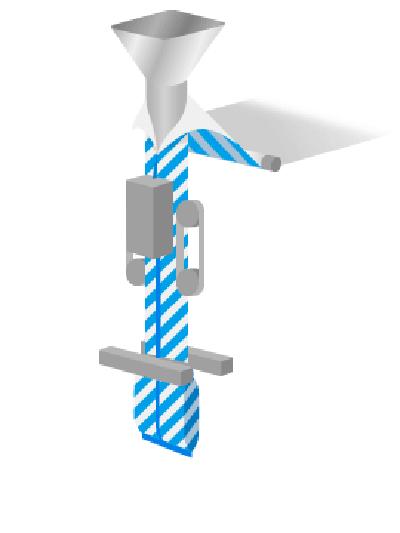
Thanks to its vertical orientation and continuous motion, a VFFS machine can produce a large number of bags with consistent seal integrity—which means less waste and rework for you.
Why are vertical form, fill, and seal (VFFS) machines so popular?
If you're wondering why VFFS machines are making waves in nearly every industry, consider the following:
- Efficiency: They combine several steps—forming, filling, and sealing—into a single, automated process. This drastically reduces labor costs and increases production.
- Versatility: Whether you're packaging powders, liquids, or solids, VFFS machines can handle a variety of product types and bag sizes with minimal changeover time.
- Precision & Quality: Precise filling and airtight sealing help reduce waste, preserve freshness, and ensure a consistent final product.
For companies looking to optimize speed, cost, and quality all at once, VFFS machines are often at the top of the list of essential equipment.
What factors influence the price of a vertical machine?
Vertical filling machines are available in a wide range of prices. Therefore, it is important to know what you are spending your money on. Key factors include:
- Degree of automation: Advanced features (such as servo movements or integrated checkweighers) usually drive up the price.
- Construction & Material Compatibility: Machines designed to process corrosive or specialty materials require more robust components.
- Speed & Capacity: High-throughput machines for large businesses are often more expensive.
- Brand & Support: Established manufacturers may be more expensive, but they often offer better reliability, warranties, and service options.
- Adjustment: Customized solutions that are tailored to unique product specifications or packaging designs can increase the initial investment.
The key is to strike the right balance between purchase cost, long-term reliability, and production requirements. When evaluating a machine, don't focus solely on the price.
How can a vertical filling machine improve production efficiency?
From the user's perspective, production efficiency is crucial to profitability. Here's how a vertical filling machine can help:
- Less manual labor: Automation handles repetitive tasks such as molding, filling, and sealing, freeing up your employees' time for other important activities.
- Faster throughput: Continuous filling allows you to produce more units in less time and fulfill larger orders without compromising quality.
- Minimized Waste: Precise filling systems ensure that each bag contains the correct amount, thereby reducing overfilling or spillage of the product.
- Quick changeovers: Many VFFS machines feature easy-to-adjust settings, making it a breeze to switch between different products or bag sizes.
The result? Lower operating costs, fewer bottlenecks, and more consistent product performance that satisfies both your team and your customers.
What are the different types of vertical form, fill, and seal machines?
Your product type, production volume, and desired bag style determine the type of VFFS machine you need. Common categories include:
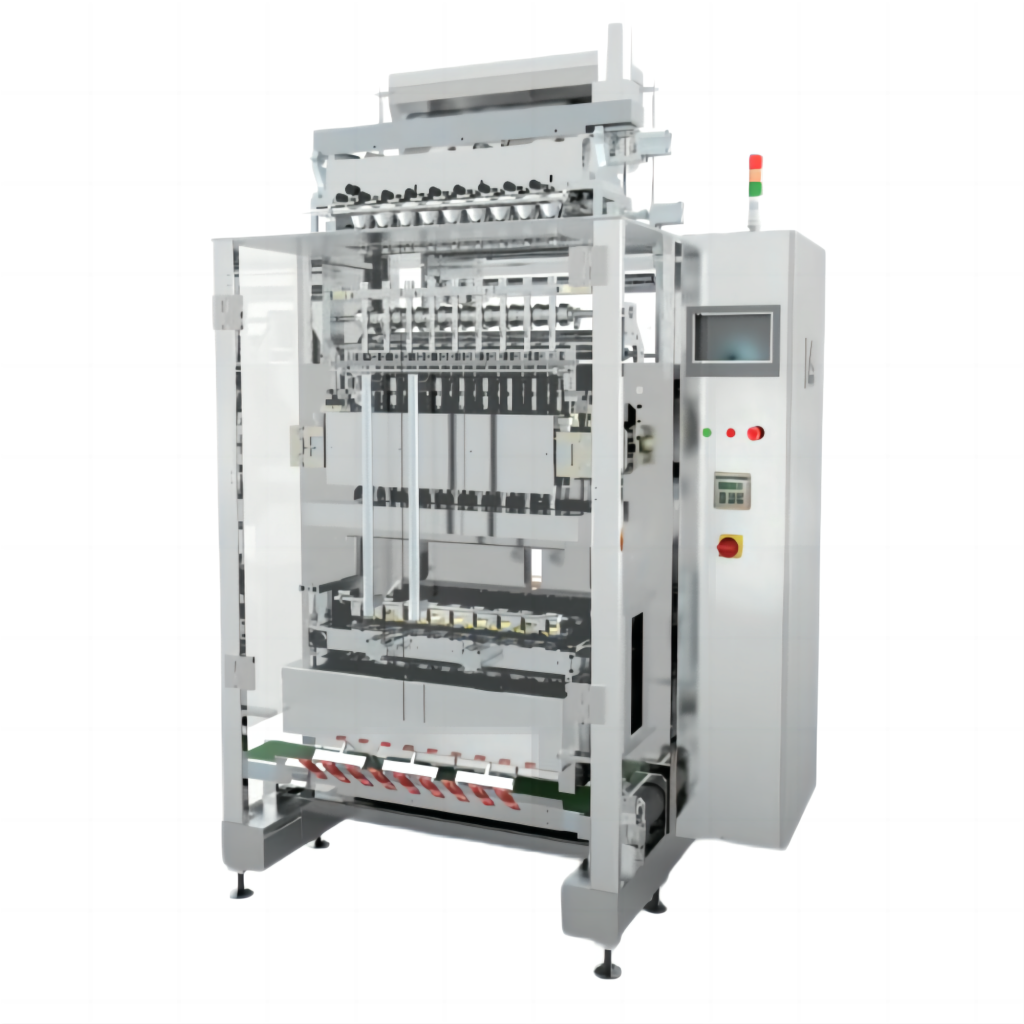
- VFFS with intermittent motion
- Ideal for: Small to medium-sized production runs
- Advantages: Cost-effective, simpler motion control
- Disadvantages: Slower output compared to continuous machines
- Continuous Motion VFFS
- Ideal for: High-volume surgeries
- Advantages: Faster packaging speeds, reduced downtime
- Disadvantages: Usually more expensive when paid in advance
- Screw-Filling VFFS
- Ideal for: Powders and fine granules (e.g., flour, spices)
- Advantages: Precise dosing for light, powdered products
- Cup Filling VFFS
- Ideal for: Grainy solids such as nuts, candy, or seeds
- Advantages: Fast and easy volumetric filling
- Liquid Filling VFFS
- Ideal for: Beverages, sauces, and other liquid or viscous products
- Advantages: Specialized pumps and seals to prevent leaks
By selecting the machine type that best suits your product, you can achieve optimal performance and packaging consistency.
How to Choose the Right VFFS Machine for Your Specific Needs
Choosing the right machine often starts with these questions:
- What is your product?
- Powder, liquid, or solid? Choosing the right filling and sealing mechanism is crucial.
- What types and sizes of bags do you need?
- Pillow packaging, side-gusset packaging, quadruple sealing? Make sure the machine can handle the desired format.
- What production volumes are you aiming for?
- For higher volumes, systems with continuous motion are generally required.
- What is your budget, and how much space is available?
- Take into account the purchase price, maintenance costs, replacement parts, and the available floor space.
- Do you need any special features?
- Advanced sealing? Gas flushing? Custom printing on the packaging film? All of these factors increase complexity and costs.
By applying these considerations to specific functions, you can quickly select the VFFS machines best suited for your operation.
Who are the leading manufacturers of vertical form, fill, and seal machines?
When it comes to reliability and innovation, certain names stand out:
- Syntegon (formerly Bosch Packaging Technology): Known for state-of-the-art automation and comprehensive service support.
- Hayssen: Known for versatile, high-quality machines and extensive industry experience.
- Viking Masek: Offers both standard machines and highly customizable machines to meet a variety of customer needs.
- ROVEMA & Ishida: Innovators in the packaging industry who are regularly praised for their robust machines and advanced design.
- Lintyco Package : Known for their high speed and excellent sealing performance.
A well-known brand often offers comprehensive warranties and easier access to replacement parts. However, always weigh these advantages against your specific packaging needs and your budget.
Manufacturers of Form-Fill-Seal Machines: What to Consider When Choosing a Supplier
Choosing the right supplier can be just as important as choosing the machine itself. Before you sign, ask:
- How reputable is the supplier?
- Check customer reviews, testimonials, and how long the company has been in business.
- Do they offer good technical support?
- Installation, training, and customer service are key to minimizing downtime.
- Are replacement parts readily available?
- By replacing parts quickly, you can avoid costly production stoppages.
- Can you customize solutions?
- If you have specific packaging requirements, make sure the supplier can customize the machine accordingly.
- What about on-site visits or demos?
- When you see a machine in action, you can gain a deeper understanding of its true capabilities.
By exercising due diligence early on, you can build a long-term partnership that increases your ROI and improves your packaging efficiency.
What are the future trends and innovations in vertical packaging machines?
The packaging industry is constantly evolving, and so is your business. Here are some things to keep in mind:
- Increased Automation & AI: Expect more self-optimizing machines with predictive maintenance and automatic performance adjustments.
- Greater Sustainability: There is strong demand for eco-friendly films, compostable materials, and energy-efficient systems.
- Improved Flexibility: Future machines will be able to handle a wider variety of bag types and switch between products more quickly.
- Remote Monitoring & IoT Integration: Real-time data analysis helps you identify problems and optimize performance, often without leaving your office.
By keeping an eye on these developments, you’ll stay competitive and continue to deliver products that meet both market demands and environmental standards. Learn more aboutAI Packaging Machine Here







 English
  German